Inspiration through material
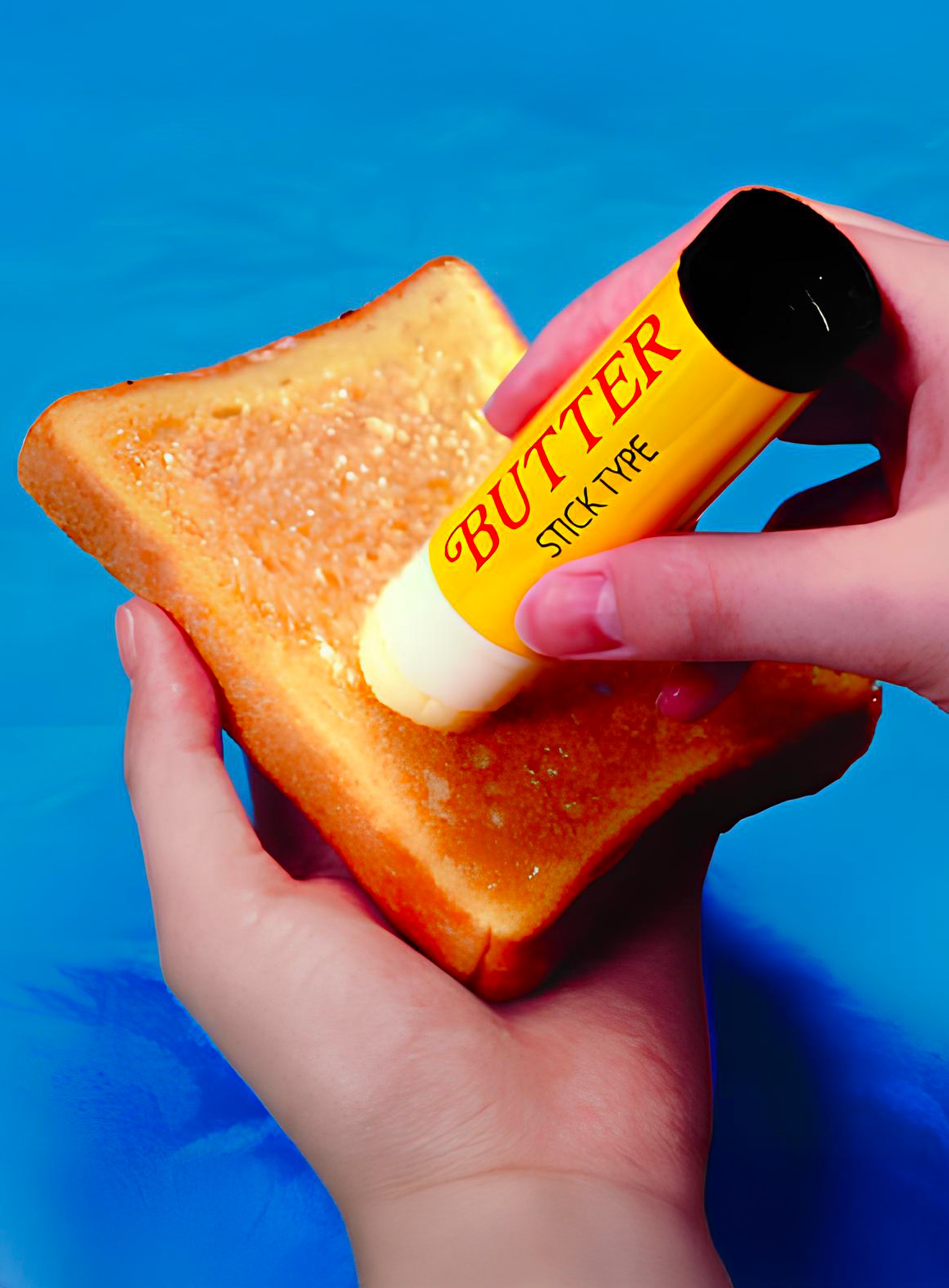
Butter Stick, Kenji Kawakami, 1990 • © All rights reserved
Born in Japan in the 1980s, CHINDŌGU is an artistic and social movement invented by engineer Kenji Kawakami. It consists of creating ingenious objects that solve everyday problems… which do not really exist. These gadgets, both “useful yet unusable”, reveal a bittersweet critique of consumer society, a celebration of inventive thinking, and a cultural phenomenon that questions our relationship to objects.
In 1980s Japan, at the height of consumerist euphoria, engineer and editor Kenji Kawakami observed with amusement the proliferation of gadgets meant to optimize every action of daily life. As editor of the magazine Mail Order Life, he subverted the principles of mail-order retail by imagining objects that were technically plausible but practically unusable. He named this practice CHINDŌGU—literally “strange tool”.
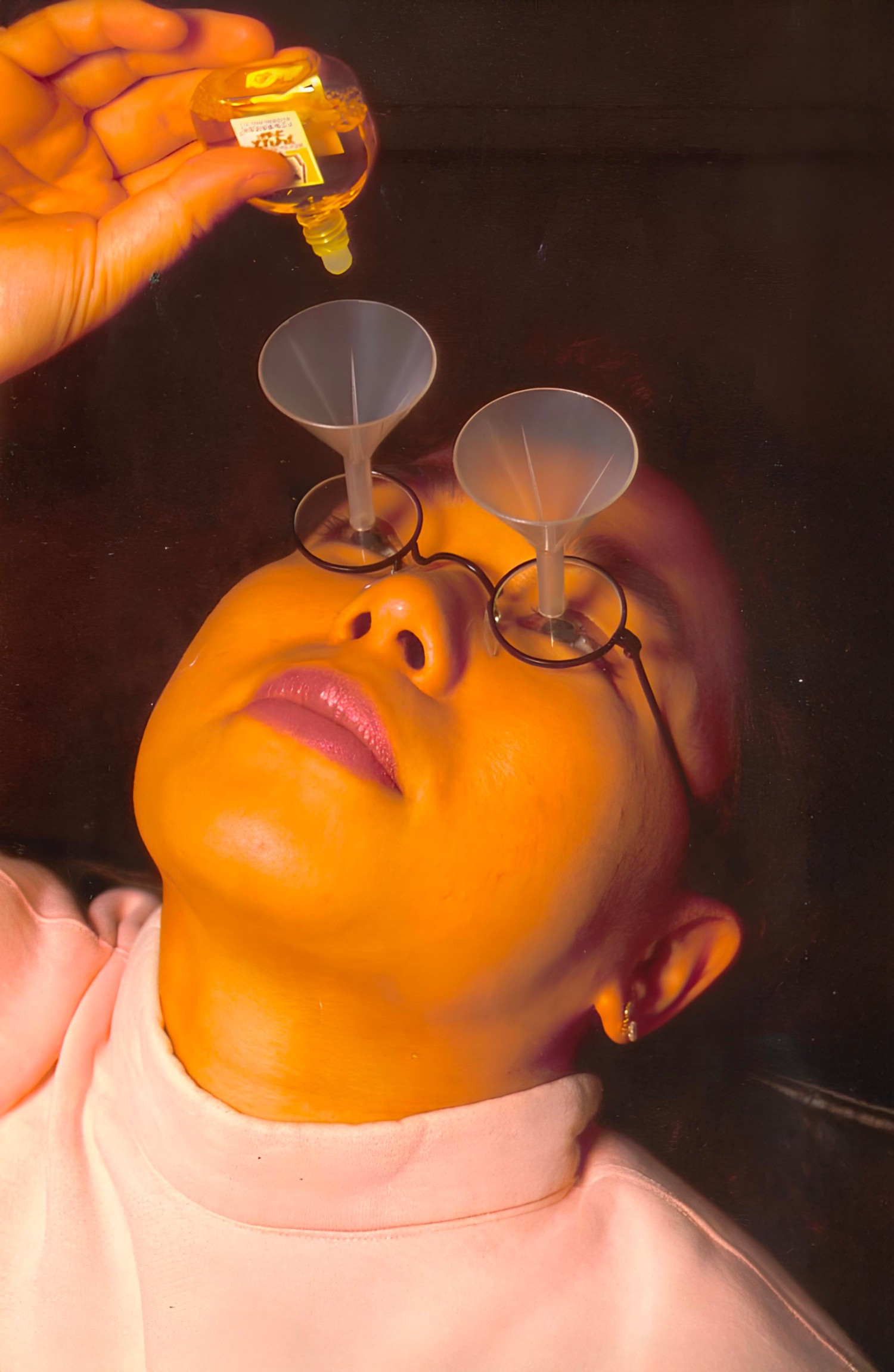
The principle is simple and devastatingly effective: solving a real micro-problem with a solution so disproportionate or socially embarrassing that it becomes impractical. Chopsticks equipped with a fan to cool noodles, miniature umbrellas for shoes, a mop-bodysuit for babies, or a hat fitted with windshield wipers for glasses —each invention works, yet exposes the absurdity of the need it claims to fulfill. These creations, highlighted in books such as 101 Unuseless Japanese Inventions (1995) and even exhibited at the Palais de Tokyo (2015), are not mere jokes. CHINDŌGU follows a strict charter, formulated by the International Chindogu Society—a global platform dedicated to promoting the movement, with thousands of members. The object must exist physically, must not be patented or commercialized, and above all must not be designed solely to provoke laughter. Humor is only a side effect. The gesture is more subtle: creating an object that is “almost useful”, positioned in that unstable zone where ingenuity slips into ridicule. If it becomes truly practical, it ceases to be a CHINDŌGU; if it is completely absurd, it is merely a joke.
This conceptual rigor elevates CHINDŌGU to the level of a philosophy of design. Kenji Kawakami—who nonetheless filed several patents during his career—here advocates invention freed from any commercial purpose. The refusal of commercialization is central. In a world where an object’s value is measured by its profitability, this stance becomes a form of gentle resistance. CHINDŌGU exposes the relentless mechanics of contemporary capitalism: identify a discomfort, transform it into a problem, then offer a product as the solution. The shoe umbrella assumes that wet sneakers are intolerable and that a new object is required to prevent it. By pushing this logic to the point of absurdity, CHINDŌGU reveals how excess already underlies many of our most serious objects.
This critique anticipates what is now called technological solutionism — the idea that every human difficulty calls for a technical and purchasable response. The paradox of the movement emerges when some objects cross the boundary of unusability. The selfie stick is perhaps the most striking example. Presented in the 1990s as a grotesque gadget symbolizing modern narcissism, it became, with the rise of smartphones, a commonplace and profitable accessory. By becoming socially acceptable and technically relevant, it lost its status as CHINDŌGU. This reversal raises questions about the market’s ability to absorb even its own critics. By co-opting the absurd, does capitalism neutralize its subversive power?
In France, the spirit of CHINDŌGU has influenced critical design. In certain schools and exhibitions, deliberately dysfunctional objects question digital surveillance, the pursuit of performance, or the proliferation of unnecessary connected devices. The exercise of the “fake useful object” has become a teaching tool: pushing functional logic to the point of caricature in order to reveal the ideology behind it. The relevance of CHINDŌGU is striking in an era of ecological crisis and material saturation. Is the problem truly the absence of solutions, or the excess of them? By celebrating uselessness, CHINDŌGU reminds us that creativity does not necessarily have to feed the market. •
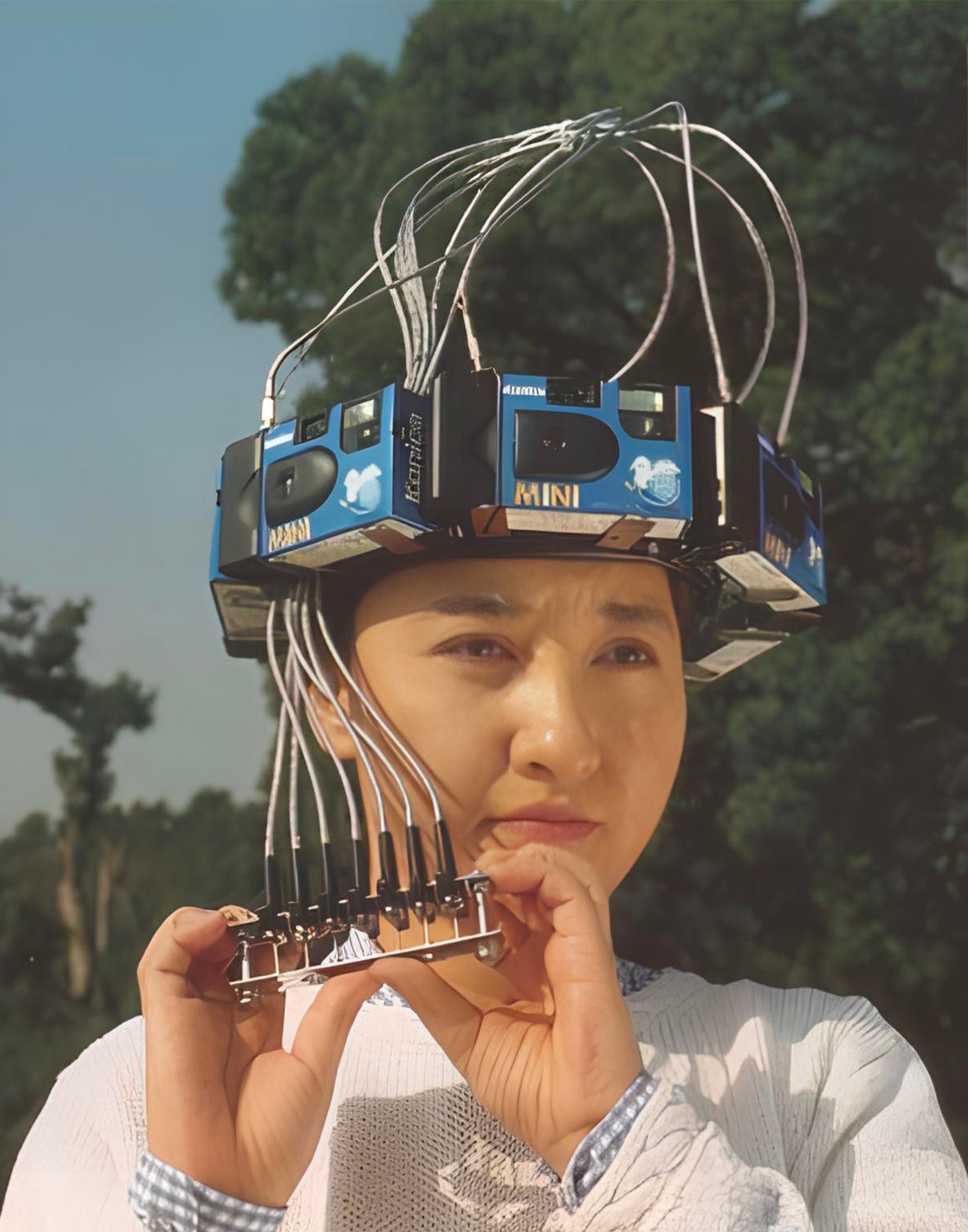
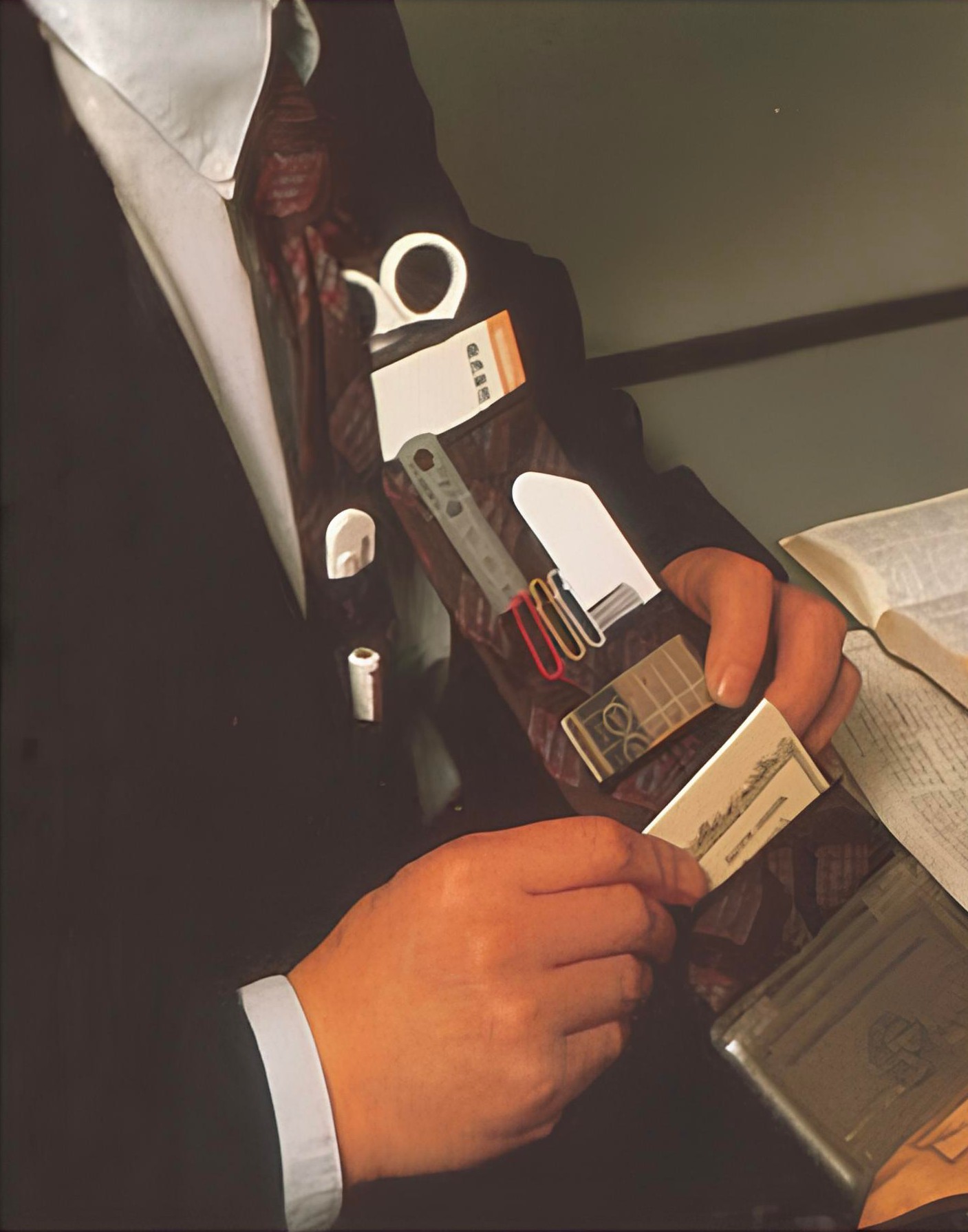
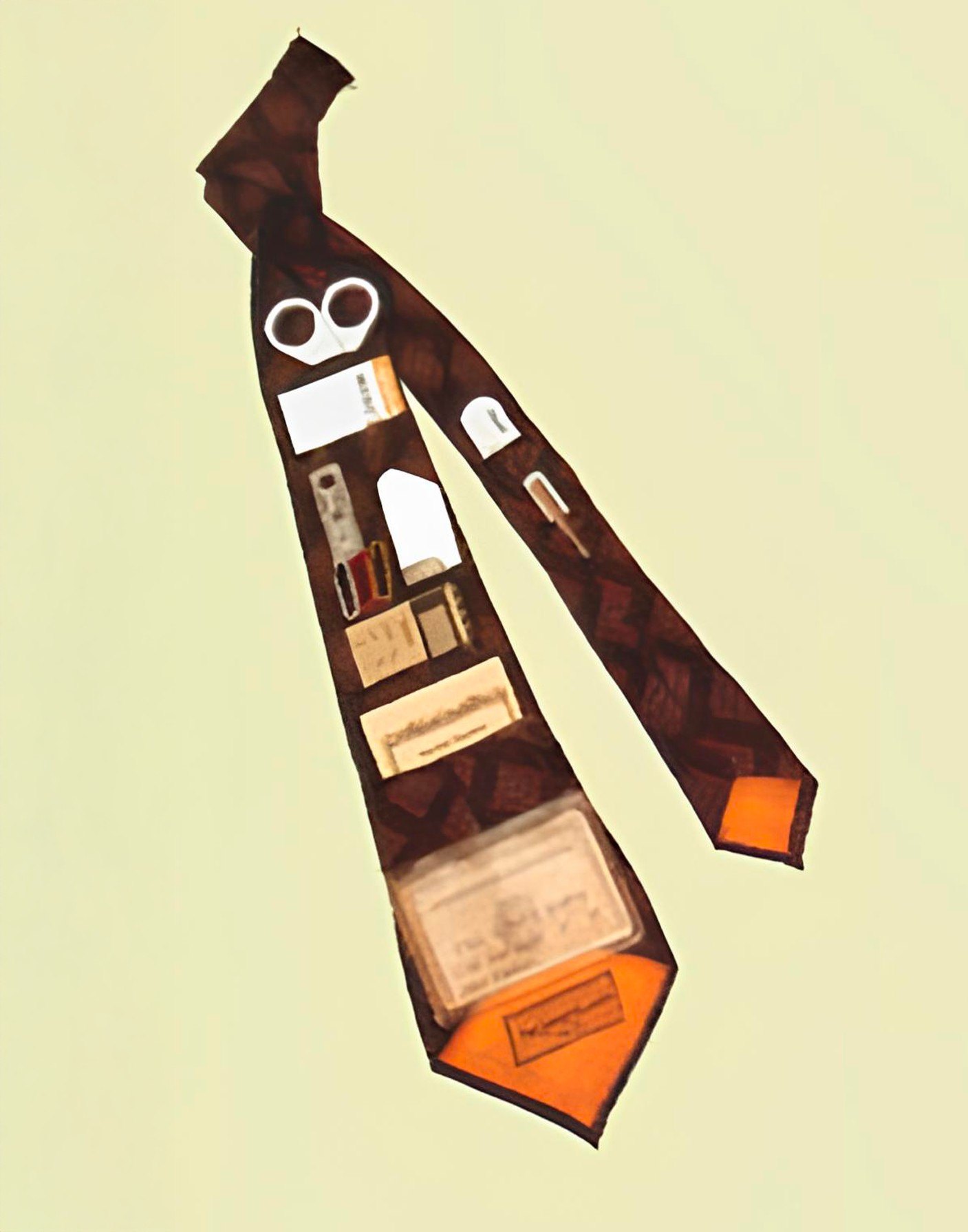
photos : Butter Stick, Kenji Kawakami, 1990 • © All rights reserved • Chindogu : 360° Panorama Camera, Kenji Kawakami, 1995 • © All rights reserved • Storage tie • © All rights reserved • Glasses for eye drops • © All rights reservedSANT ROCH, Futurstudio • © courtesy of SANT ROCH • Zoi, SALA HARS • © 11h45