Inspiration through material
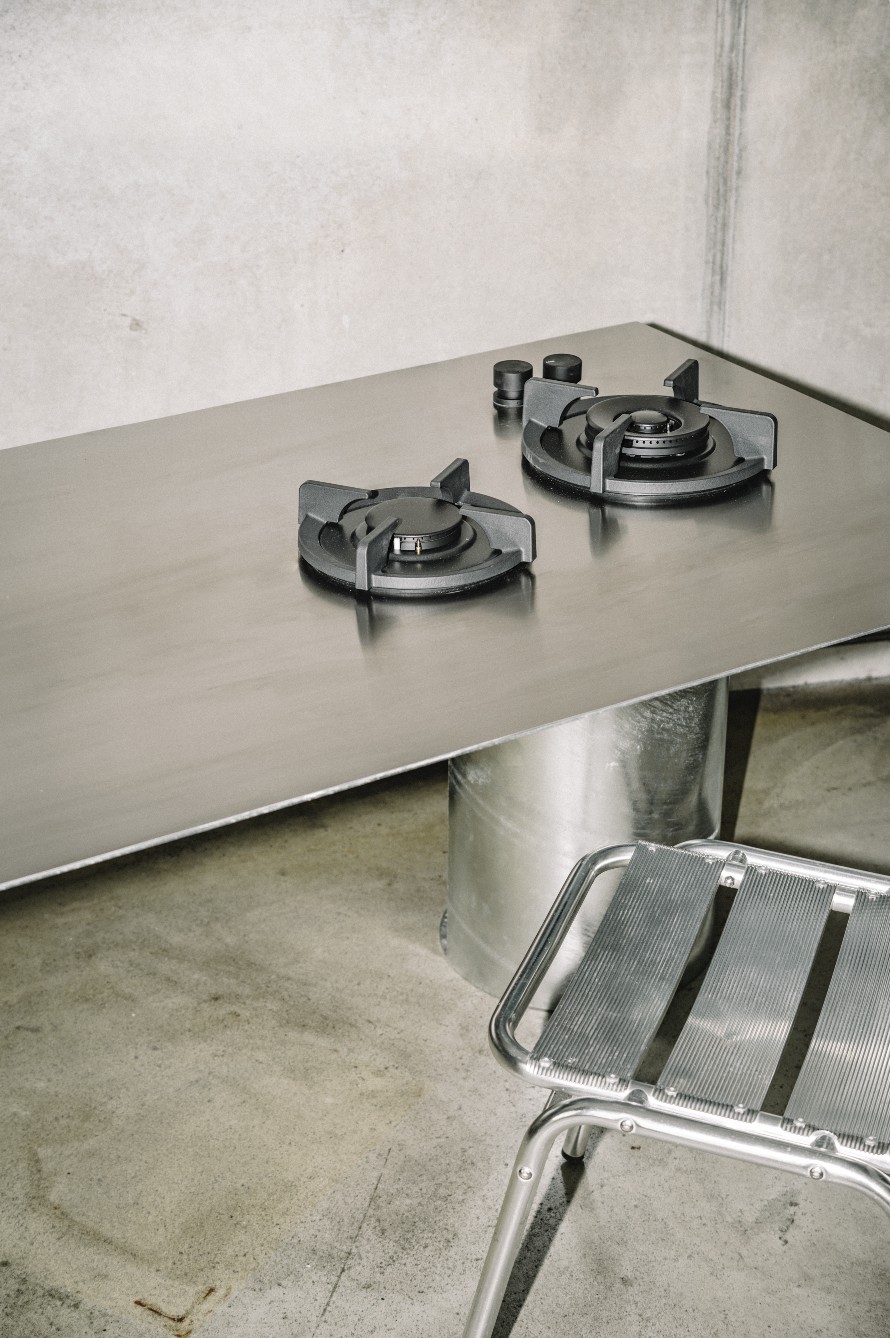
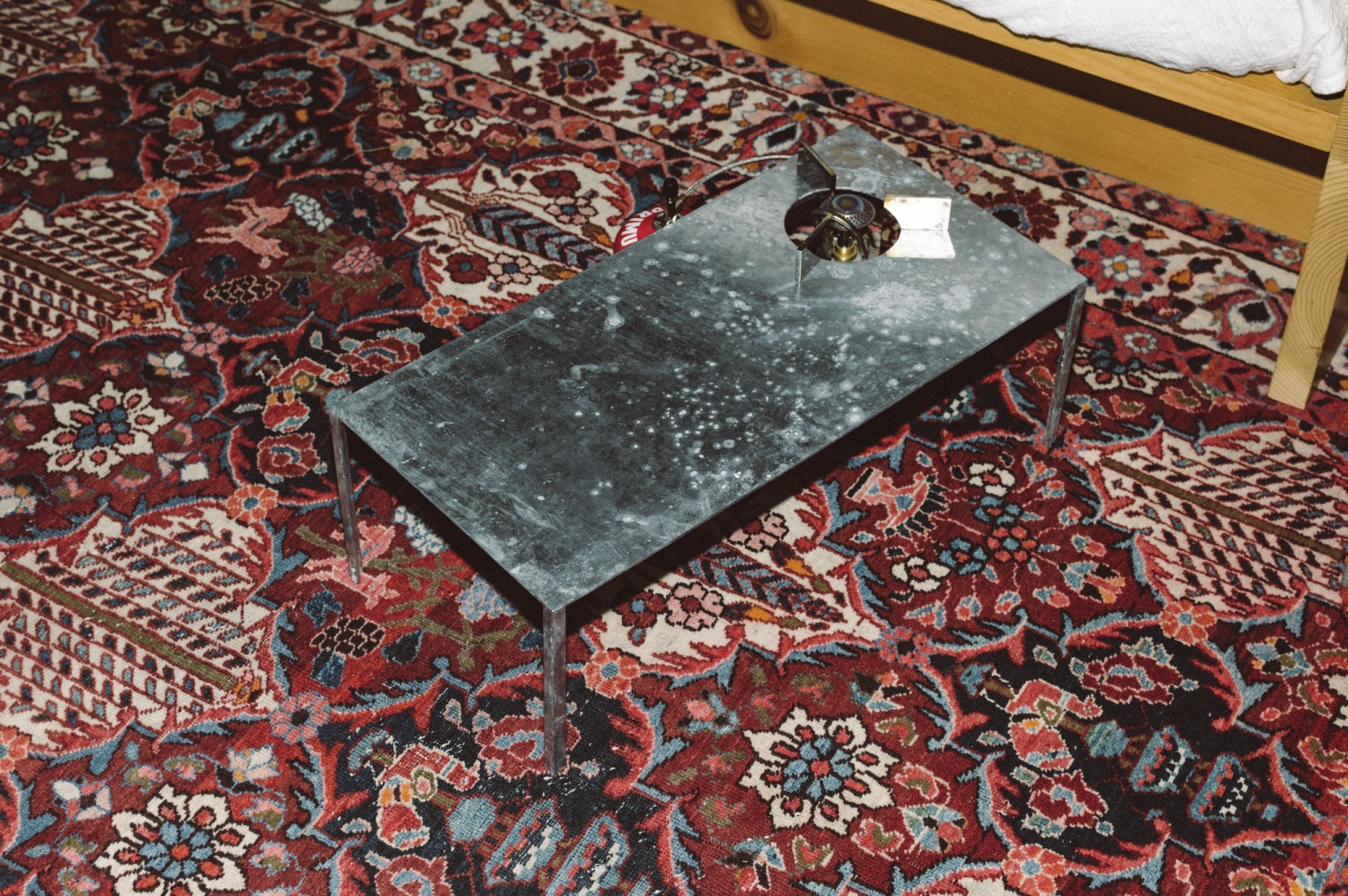
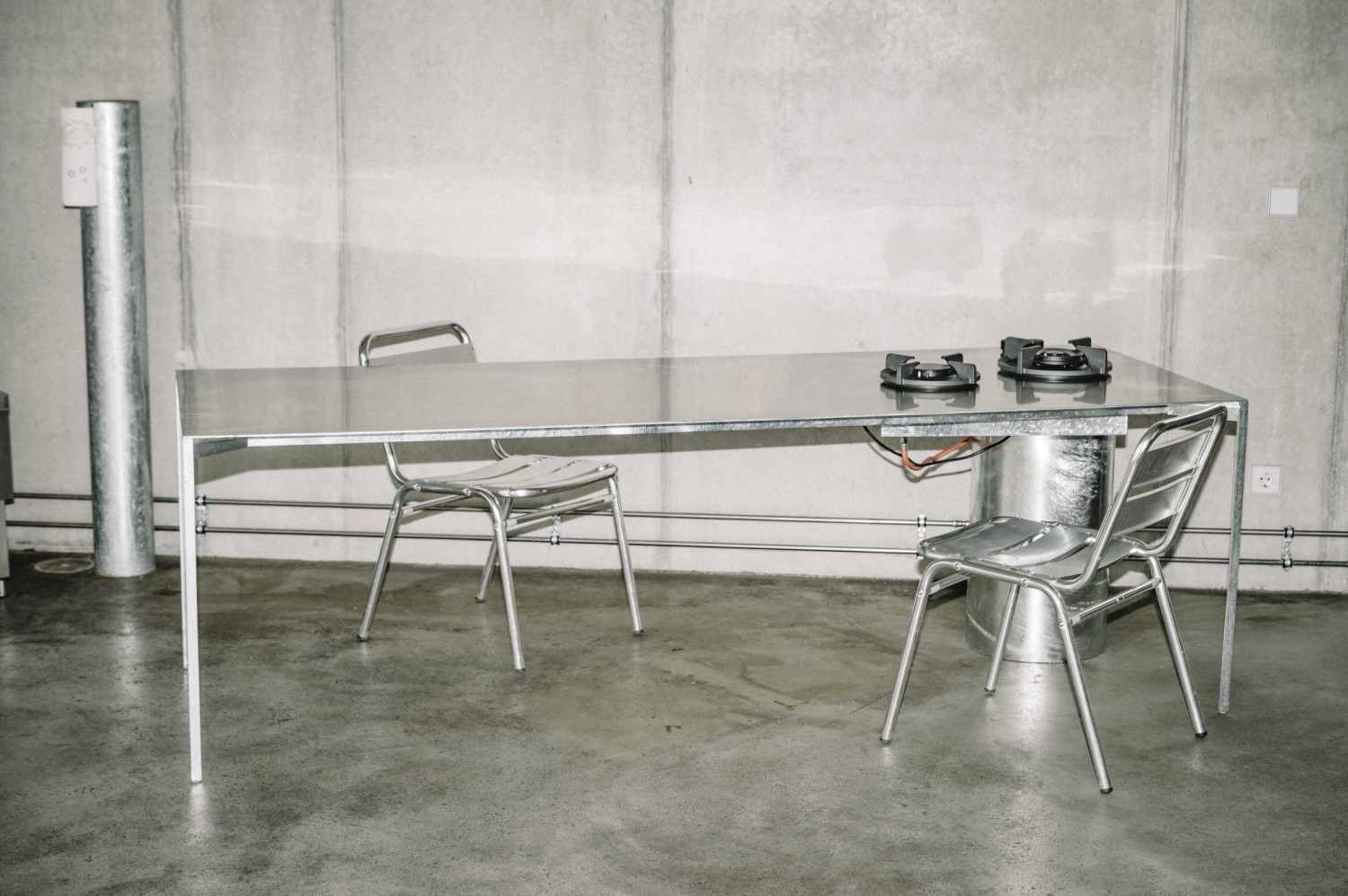
Sam Chermayeff Office, Tiny Stove Table, 2018 • © Oliver Helbig
Whether it’s architecture or interior design, we live in standard spaces designed to be universal. But is this necessary? Do we really need a 60 cm oven or a perfectly rectangular bed? For architect Sam Chermayeff, these standards, which are supposed to simplify our lives, have frozen our spaces, almost forgetting functionality. His projects are the counter-example: spaces that are both disconcerting and ergonomic.
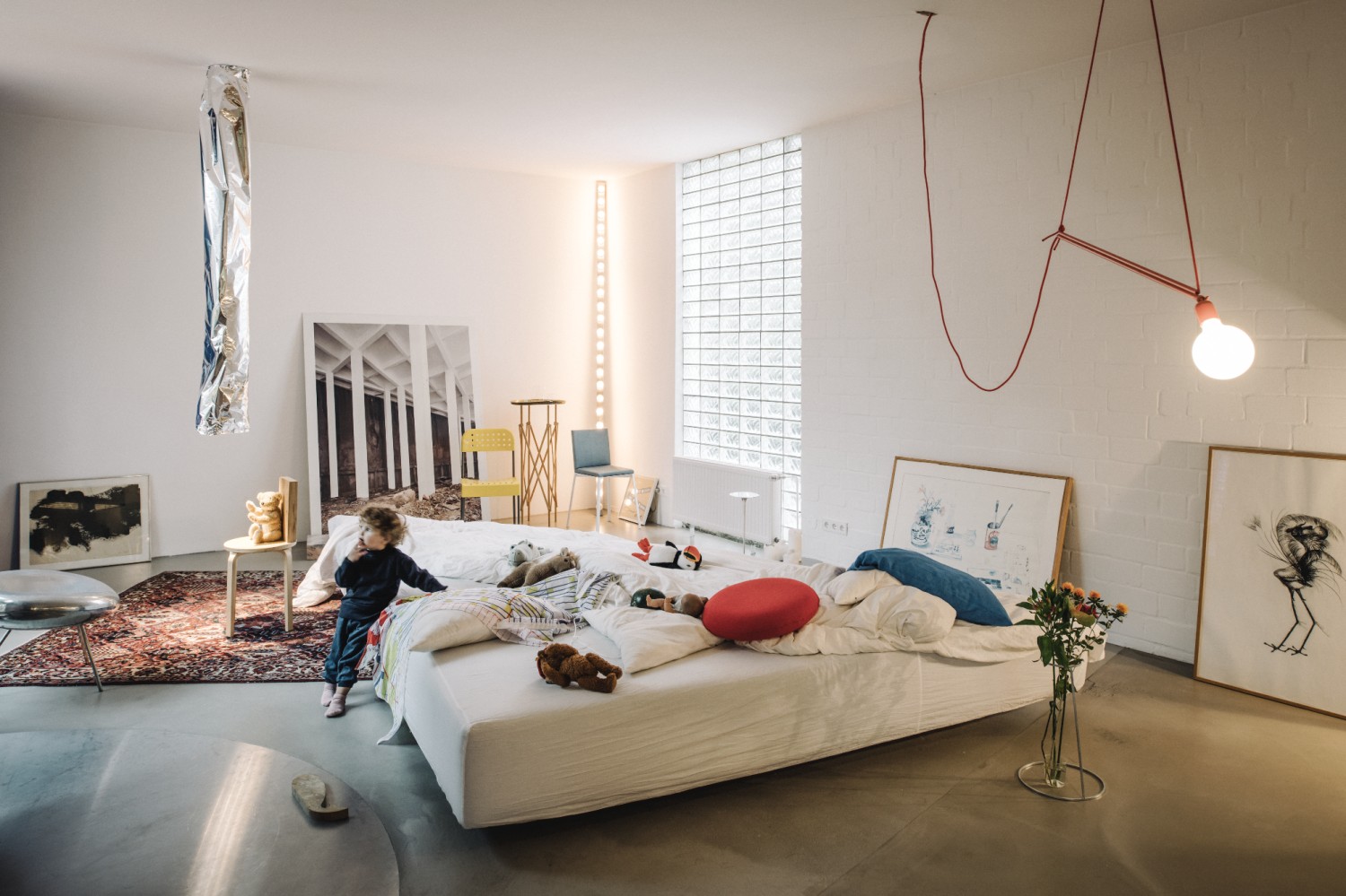
Travelling from one country to another is enough to reveal how much our cultures influence the typology of our living spaces. In Europe, bed bases are the norm. In Asia, futons placed on the floor are the norm. These are very different designs, yet we recognise their typology. This is what interests Sam Chermayeff. Raised in New York, trained in Austin and then London, and having worked for the Japanese agency SANAA in Tokyo, his international career has given him an appreciation of architectural richness.
‘Like many architects, my eye was trained in modernism, in a refined and functional design. I naturally love Mies van der Rohe, but you realise that the practical aspect of his projects is not so obvious’, he says. In order to respond to issues such as functionality, solutions designed for the majority have led architecture towards standardisation. But does every country, every individual, really have the same uses and the same issues?
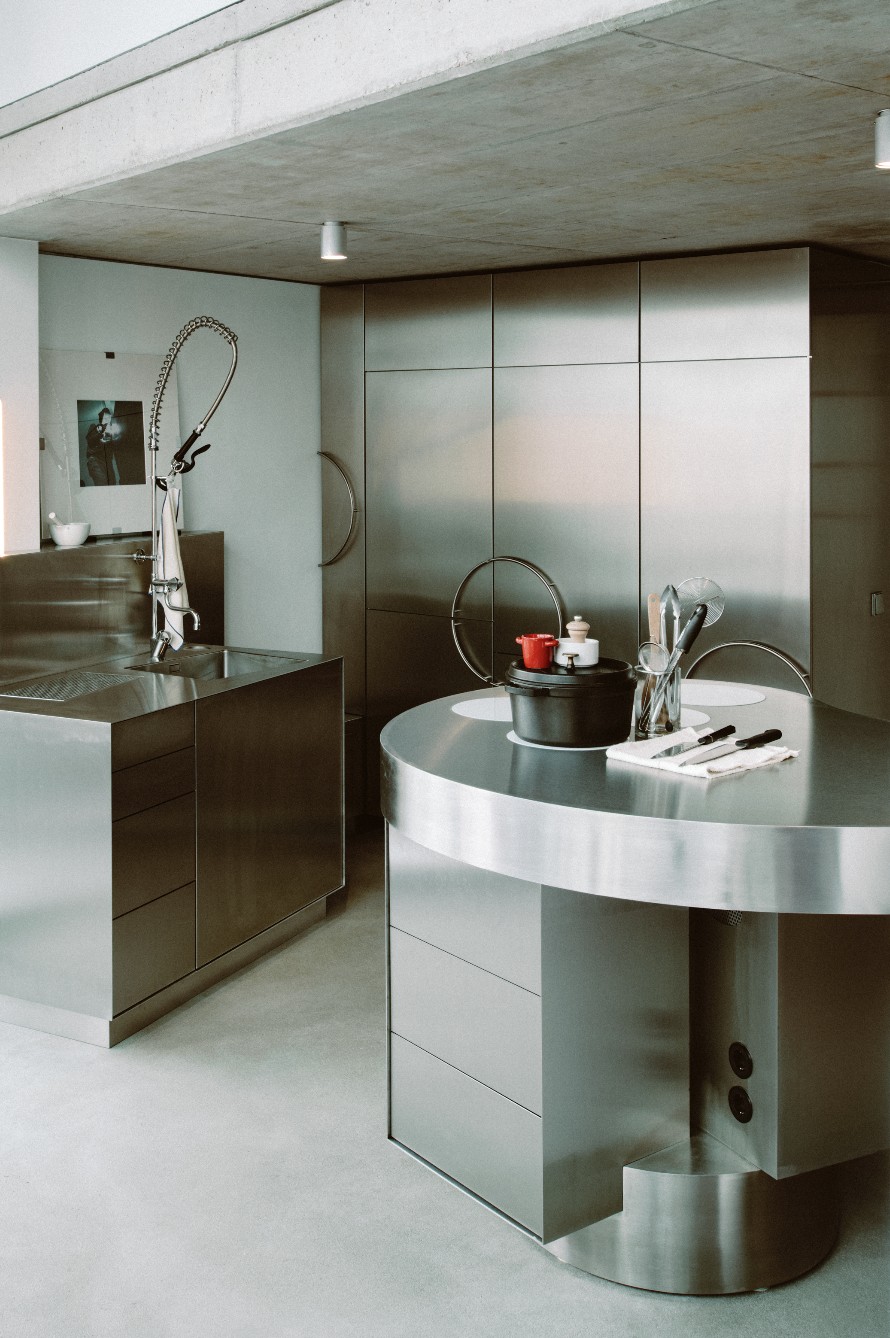
‘It was the Germans who standardised kitchen space’, he cites as an example. Worktops aligned against walls, fixed modules that house appliances, electrical appliances with fixed dimensions: the entire layout and the way we live depends on these industrial constraints. This is ironic for an architect based in Germany who is determined to deconstruct these pre-established norms. The influence of SANAA has therefore proved essential. With the Japanese agency, he discovered a minimalism based on clarity and simple designs. This approach has enabled him to open up a range of personalised options adapted to different uses, without ever erasing the typology. ‘The space must remain legible to all’, he insists.
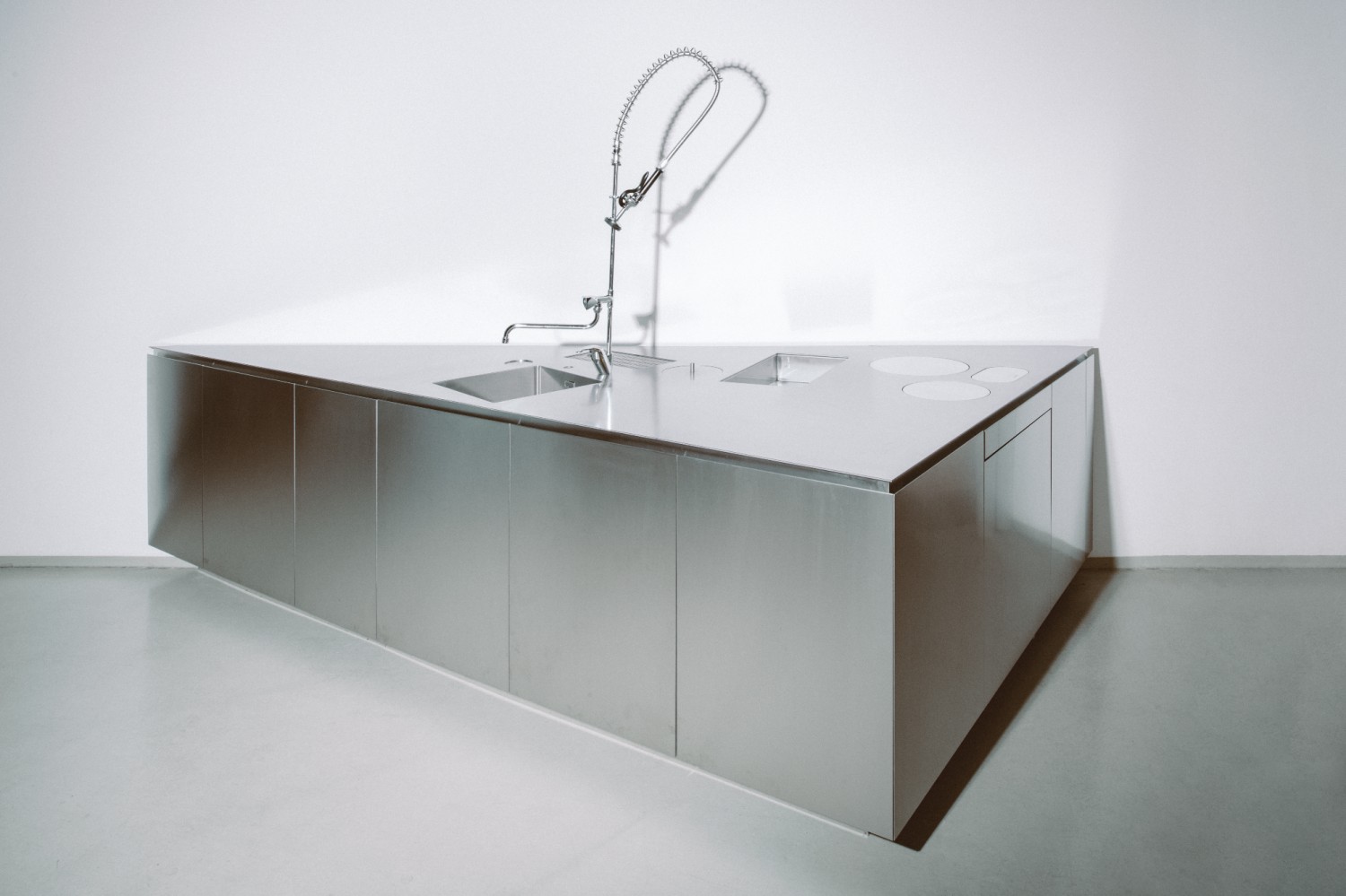
This is how Free Kitchens took shape: kitchens with simple shapes, which leave the walls, unfold in archipelagos, and are organised according to multiple angles. The most obvious example is the triangular kitchen, whose main element, oriented at 45°, opens up the room. ‘This time, you are no longer parallel to the wall. You look beyond it, towards the space, towards the light, towards the people around you’, he explains. Each module remains identifiable — sink, coffee machine, worktop — but their assembly varies according to the location, the light and the habits of the inhabitants. Ergonomics is important, but the social dimension becomes central. The space is finally experienced differently: non-frontal, non-standardised, more open, more human. ‘We need to show that the kitchen can remain flexible and relaxed, even messy. Just like life, really’, he sums up.
Today, Sam Chermayeff continues this typological exploration. While the kitchen was his starting point and has taken on many forms, other spaces are now the subject of experimentation: bedrooms, bathrooms, and larger-scale projects where architecture promotes coexistence rather than constraint. Here, it is no longer space that dictates our habits, but our habits that shape space. •
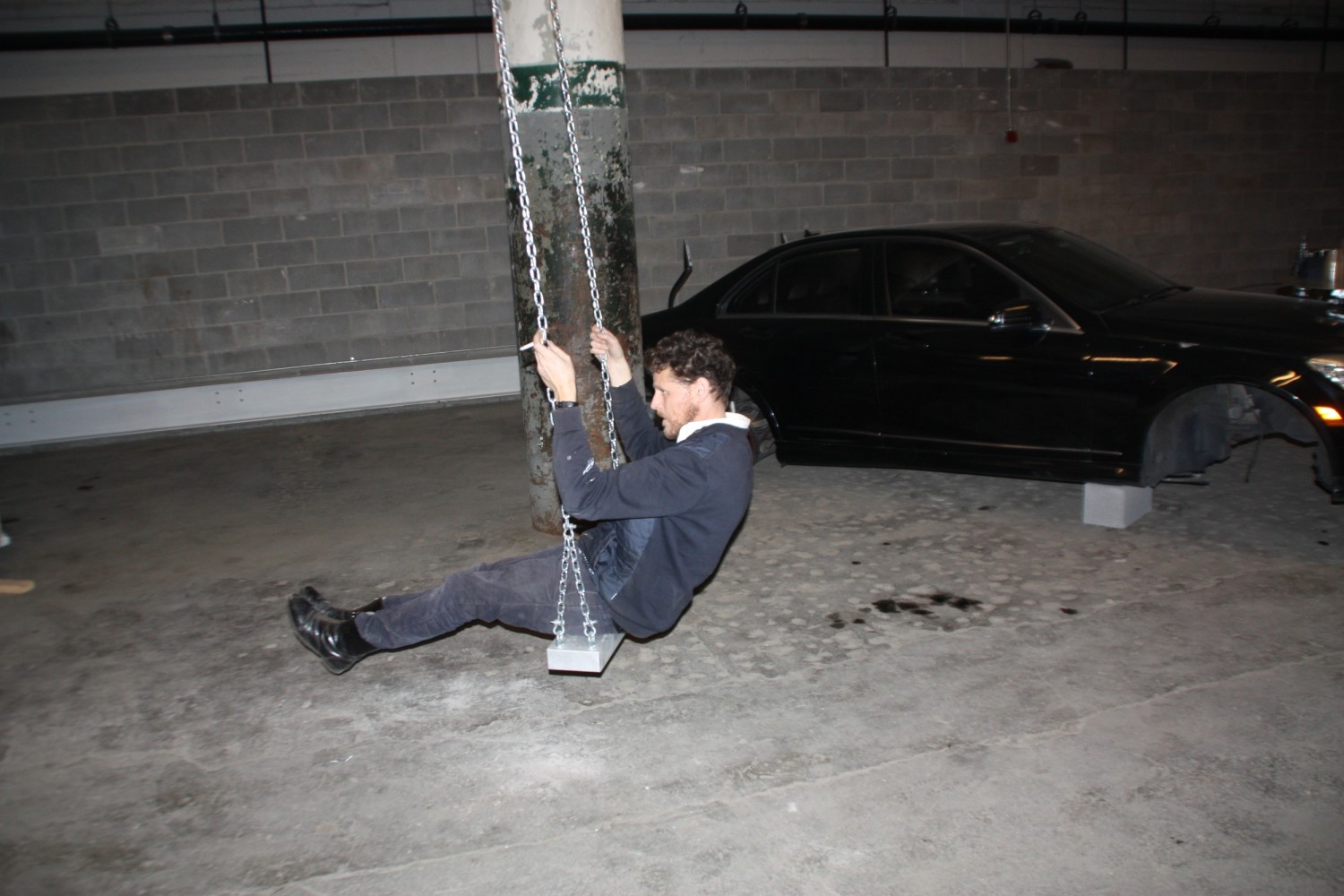
photos : Kitchen for Mostafa, 2022 © Oliver Helbig • Triangular Bed, 2018 © Oliver Helbig • Sam Chermayeff © Vere van Gool • Tiny Stove Table, 2018 © Oliver Helbig