Inspiration through material
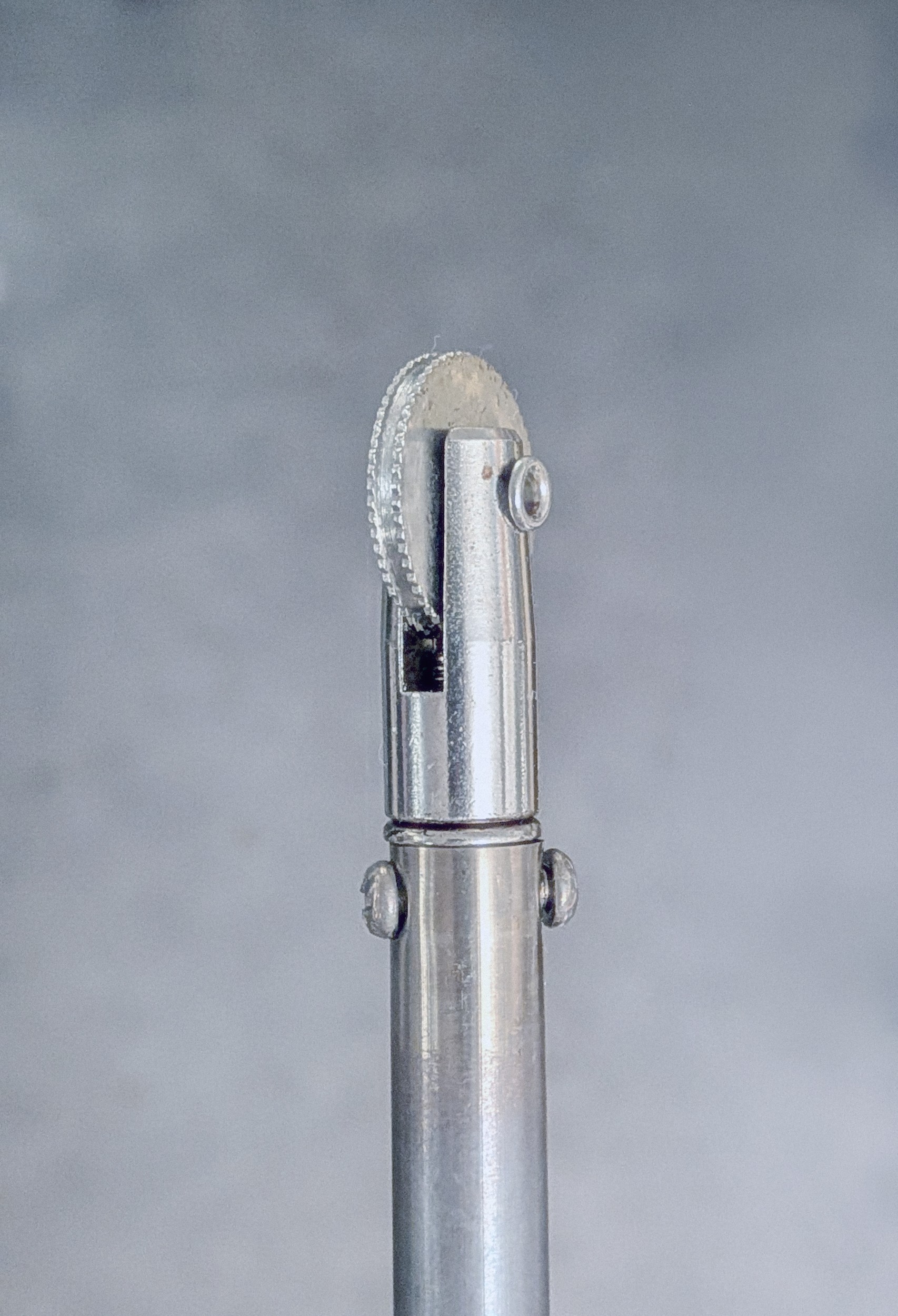
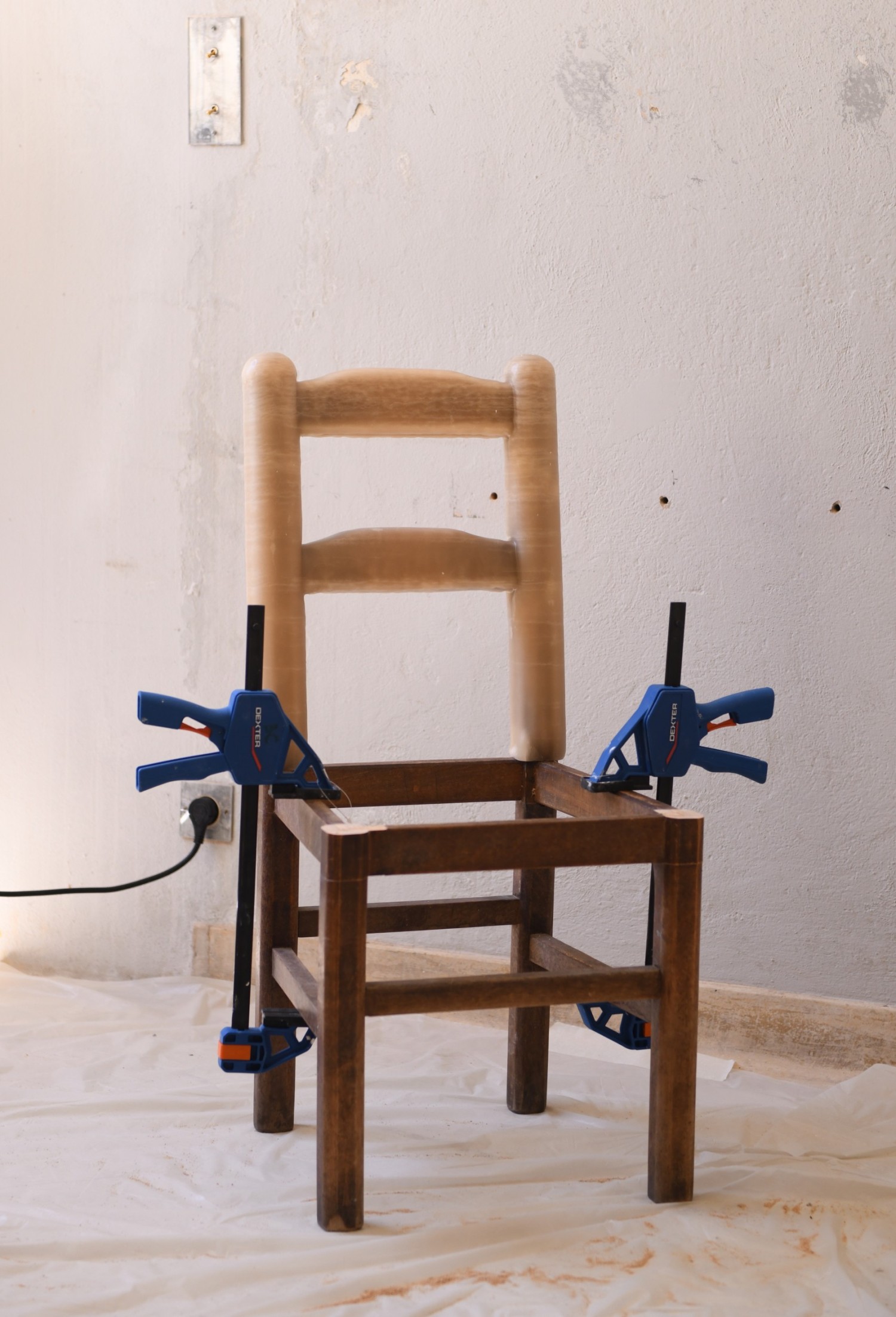
Esperon equipment, Anaïs Valdher Untersteller © Anaïs Valdher Untersteller
In art, wax has melted more than a few hearts. Artist Urs Fischer, among others, has explored its fleeting, timebound nature. Yet its potential extends far beyond its malleability or its ability to change state as a candle burns. Animal-based, natural or synthetic, solid or liquid, wax lends itself to countless applications, from objects to interiors, while retaining a symbolic aura familiar to us all. A closer look at a material that transforms — and is itself endlessly transformed.
For artist Juliette Minchin, wax is both a material that reveals and one that protects. While studying scenography, she discovered its universal symbolism and its expressive potential. At first glance, her pieces resemble monumental candles slowly burning away. Yet over time, the wax — synthetic in this case — reveals other shapes and, at times, metal architectural structures. Wax becomes an envelope, a second skin whose organic quality the artist heightens by giving it a flesh-like tone. Her works thus evolve through both time and space, shaped by material accidents that she allows to occur and from which new ideas emerge. Her draped pieces grew out of one such chance event: an overly thin layer of still-warm wax collapsed, forming folds that reminded her of fabric. Wax becomes a living material, its transformations not merely endured but incorporated into the creative process.
The notion of space is equally important in Boris Cojean’s La Maison Jaune. Here, wax does not disappear; it becomes a building material. In this installation conceived for the 2026 Design Parade at Villa Noailles, it covers the walls, becomes object and contributes to the composition of the space itself. Cojean’s interest in wax emerged through his exploration of moulding and reproduction. He discovered an expressive material whose pictorial qualities reminded him of Van Gogh’s paintings. Drawing on this reference, he conceived the installation as a still life revealing the material’s many possibilities. Vegetable, animal or synthetic; moulded, dipped or coated, wax can be endlessly reinterpreted. Its distinctive texture is presented alongside its imperfections: drips from the moulds are retained, traces of the hand remain visible, as do those left by the passage of time. And while waxed-canvas curtains protect the interior from UV rays, the wax itself continues to evolve, once again revealing its living, sensory nature.
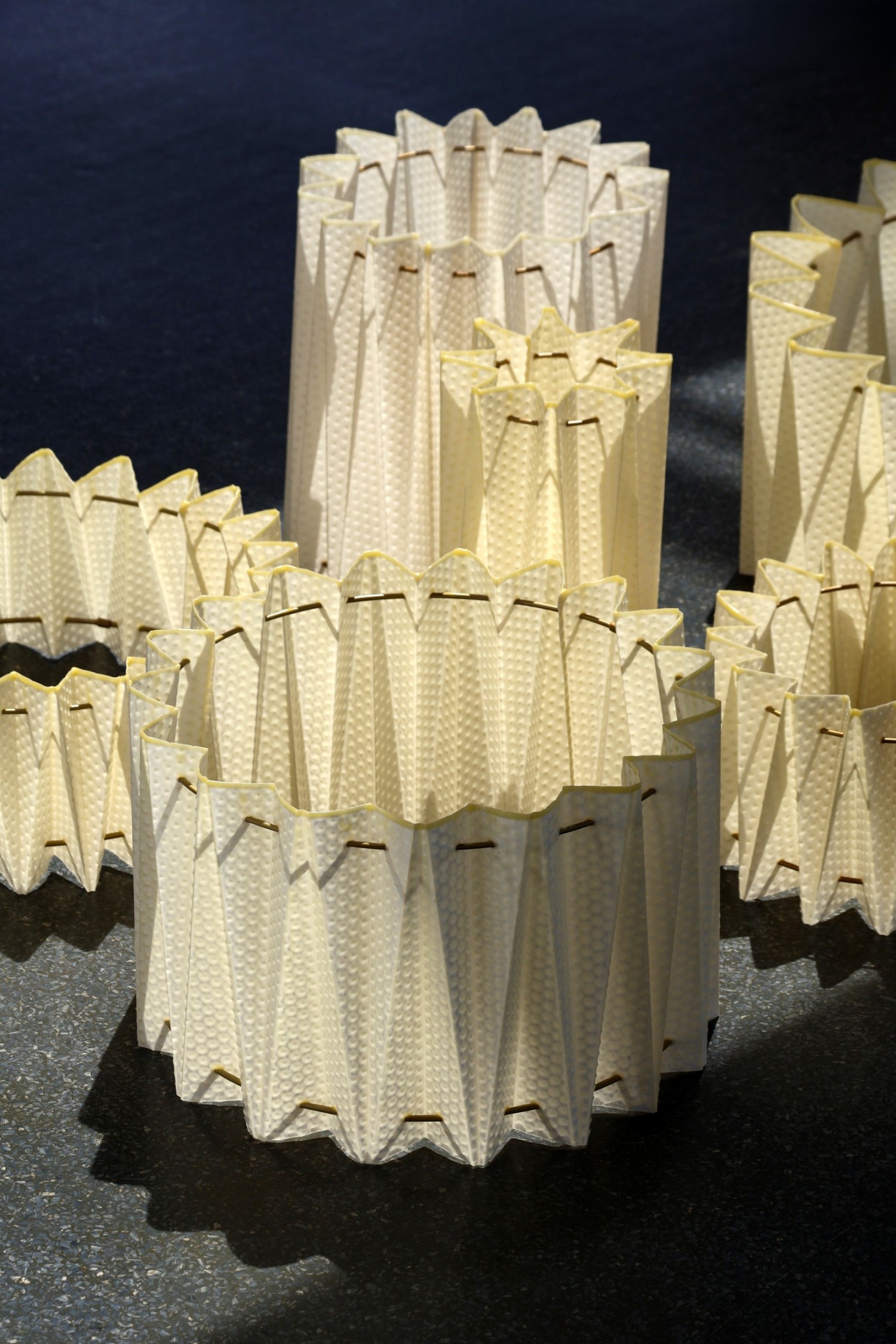
For Anaïs Valdher Untersteller, it was likewise an architectural dimension that sparked her interest in wax. Fascinated by old straw beehives and their distinctive silhouettes, she began exploring the world of beekeeping. Her graduate project, ALVA, pays tribute to this universe. Comprising a screen, chandelier, vases and a table, the collection uses beeswax as one of its primary materials. This particular wax comes from the brood combs in which bees live and develop. Because it absorbs residues left by the insects, it is rarely used and is sometimes simply discarded. The designer collects and filters it to restore its plastic qualities. Inspired by honeycomb structures, she prints the pattern onto sheets of paper which are then pleated and dipped into the clarified wax. A thin ochre layer settles over the surface, preserving its translucency while revealing a soft, matt texture. Wax thus acts as a means of revealing material, surface and light.
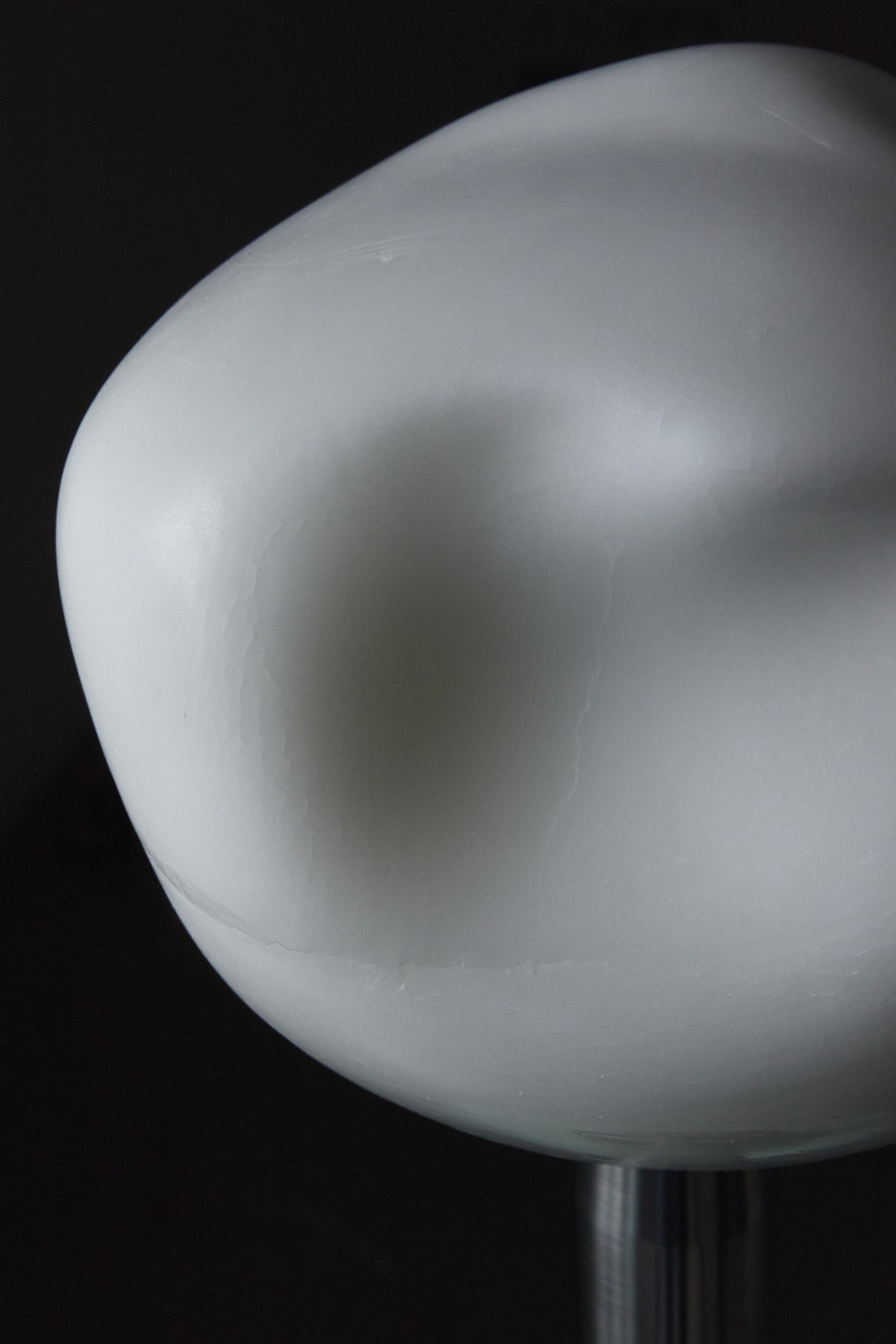
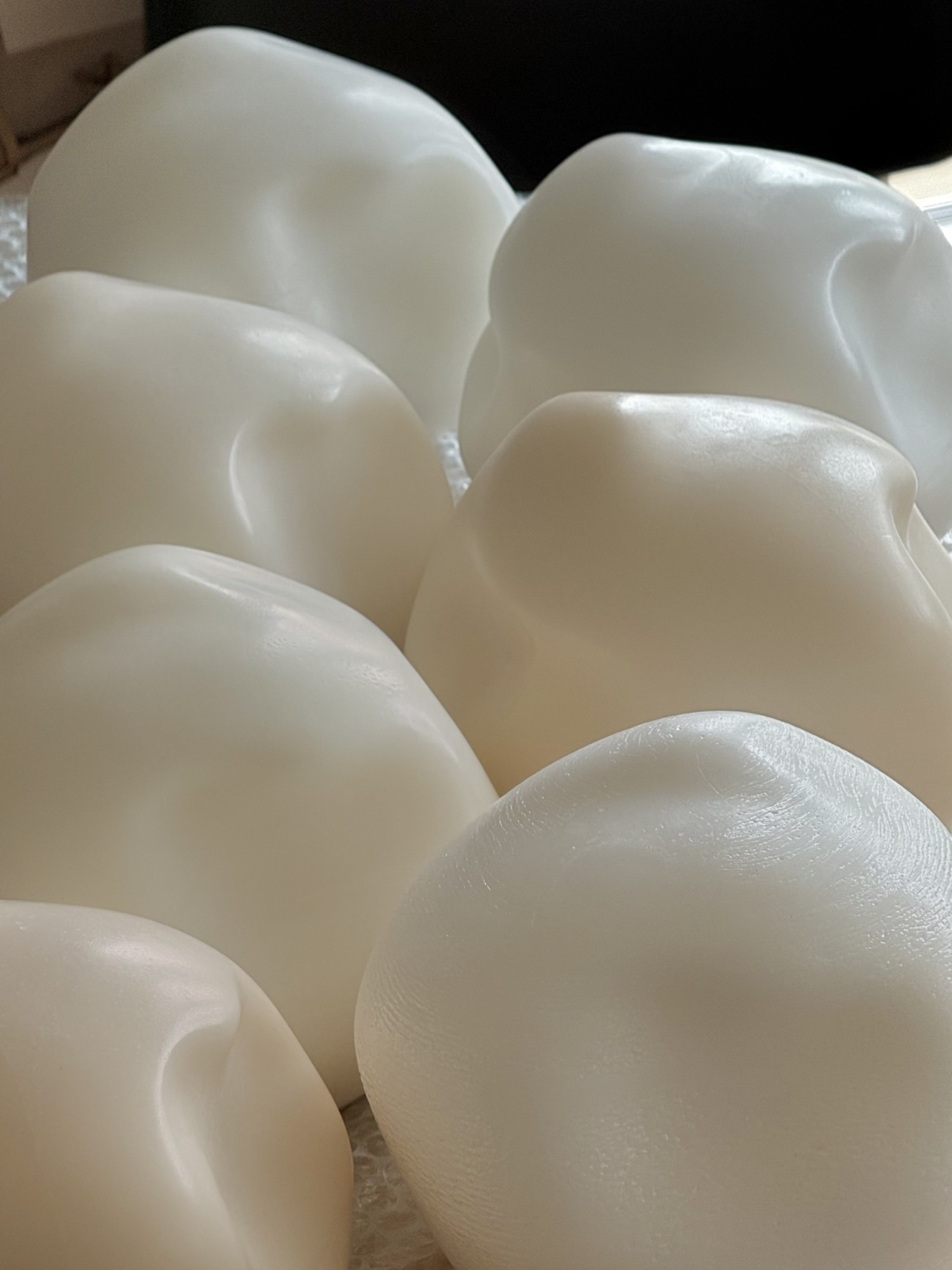
The Lithuanian duo behind Daydreaming Objects, meanwhile, explores the transformation of existing objects through its SCOOP collections. The project began with a question: do we really need new lamps when flea markets are filled with older pieces whose designs remain carefully considered and valuable? In response, the studio salvages lamp bases and creates new shades to give them another life. Natural wax appealed to the duo both for its universal association with light and for its organic, biodegradable qualities. Melted and then moulded by hand, it forms unique lampshades with biomorphic shapes. Its milky appearance and almost opaque texture contrast with the existing metal or glass bases. Wax thus offers the studio a process of continual material transformation, an idea at the very heart of its approach to lighting. It becomes a material defined by dualities: malleable yet solid, translucent yet opaque, old and new, enduring yet constantly changing. A material that has far from revealed all its secrets — and continues to reinvent itself. •
photos : Soft Solids lighting series, Daydreaming Objects © Norbert Tukaj • Process, Daydreaming Objects © Ieva Baranauskaitė • ALVA collection chandelier, Anaïs Valdher Untersteller © Anaïs Valdher Untersteller •
La Maison Jaune, design process, Boris Cojean, Design Parade 2026, Villa Noailles, Hyères, France © Boris Cojean