Inspiration through material
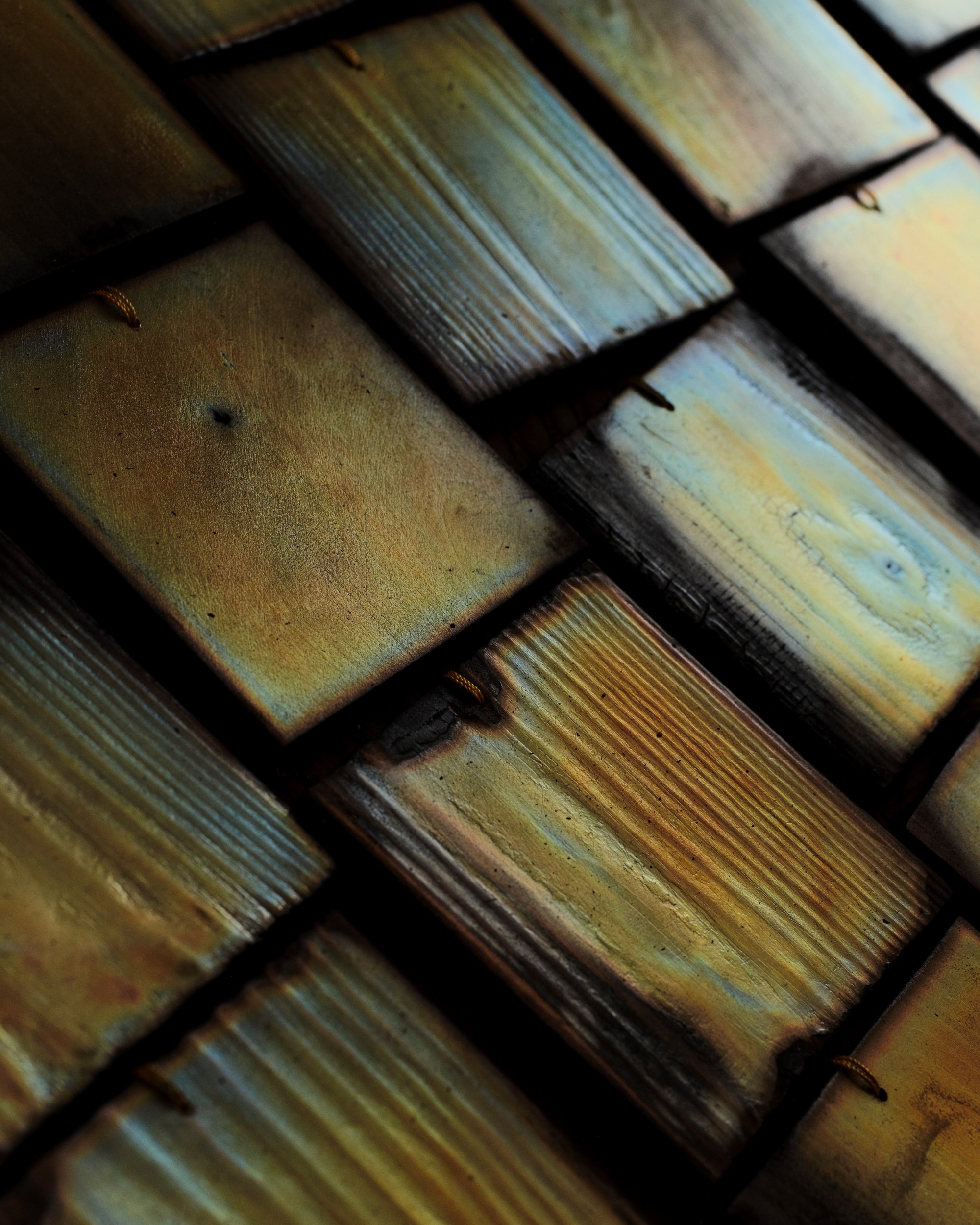
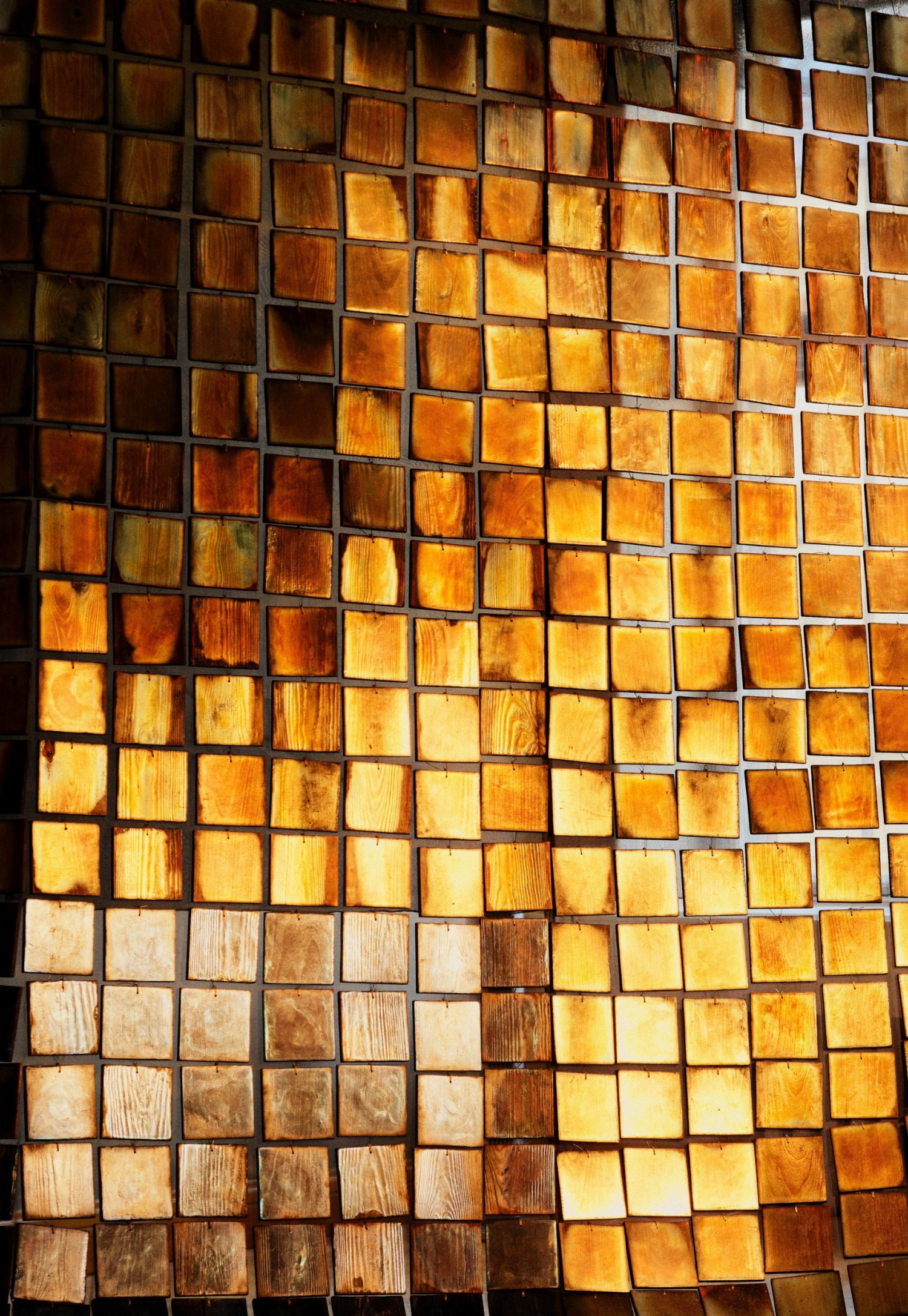
Shimber © Justus Hirvi, Helsinki Design Week
Although colour has always been inspired by nature, its application remains problematic: it relies mainly on toxic pigments, plastics or metallic films, whose durability leaves much to be desired. Faced with this issue, consumers, brands and manufacturers are turning to natural or bio-based solutions.
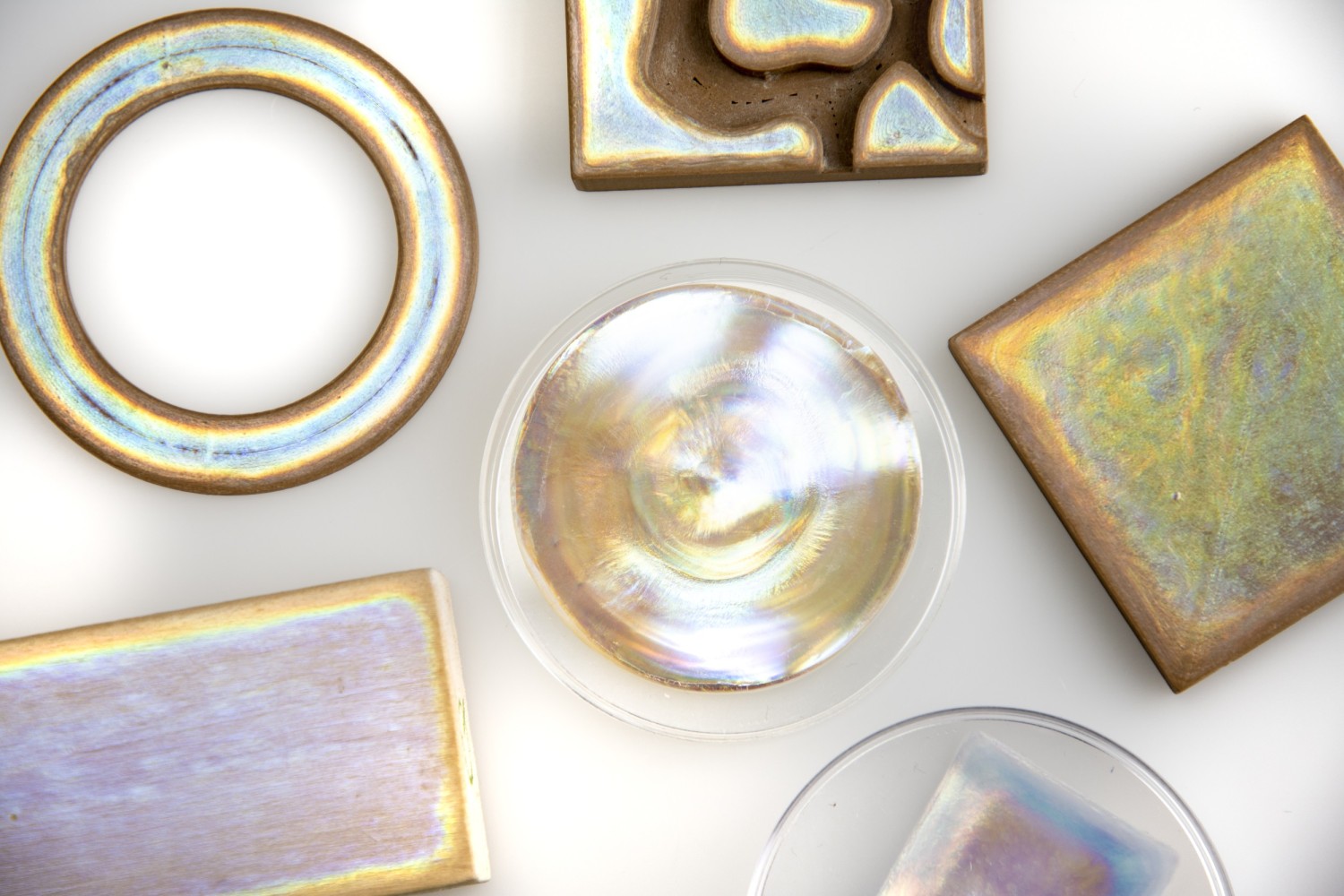
A pioneer in this field, Finnish start-up Shimber has chosen an approach that is still relatively unexplored: structural colour. Like certain flowers, beetles and iridescent plumage, this colouring is impossible to reproduce using traditional techniques. It is created by microstructures that cause light to vibrate, much like a prism, or like the reflections that form on a CD or a soap bubble. The colour is not in the material, but comes from the light. The Morpho butterfly is a prime example: its wings are covered with tiny, tile-shaped scales. When light strikes them, it reveals an intense metallic blue, yet devoid of pigment.
Fascinated by this phenomenon, Noora Yau, then a design student at Aalto University in Helsinki, and Konrad Klockars, a chemical engineering student, joined the research group of Professor Orlando Rojas, a leading figure in nanocellulose. Their final year project became a full-fledged research programme, then the focus of their doctoral work and, ultimately, the scientific basis for Shimber.‘Colour was already central to my bachelor’s degree in ceramics and glass art. But I also realised that these shimmering colours were often produced from plastics or toxic components. Some lustrous glazes used in ceramics are so dangerous that, in our course, undergraduate students were not allowed to use them. Others, such as gold particles, are very expensive’, Noora points out.
To overcome these limitations, Shimber is focusing on a unique structural colour process, currently being patented. Wood is reduced to microscopic fragments, called nanocellulose, and then applied to a surface, much like paint. And the magic happens: the material, although colourless, transforms into bright, intense colours. The whole process is non-toxic and made exclusively from wood. ‘We are in Finland, a country of forests. It is therefore the ideal resource for ensuring a reliable and local supply chain. Its biodegradability is also an asset for brands concerned about their impact. Testing other biomasses — wheat straw, algae — could be interesting in the future, but the central question, they explain, is being able to create iridescent colours without dyes.’
In the summer of 2025, the project took off: Shimber became a company. Noora and Konrad teamed up with two other experts in management and fashion design and received support from an investor. Their laboratory, located in Espoo, not far from the university where they met, is now operational. ‘Until now, structural colour has mainly been used for technical applications, such as optical sensors. From the outset, we have focused on the visual dimension and its application in fashion, design, architecture, etc.’ After attending Milan Design Week last April, they will be participating in Stockholm Design Week in February 2026. These prospects extend to the automotive sector, which is seeking alternatives to metallic paints. •
Photos : Shimber © Justus Hirvi, Helsinki Design Week • Shimber • © Valeria Azovskaya