Inspiration through material
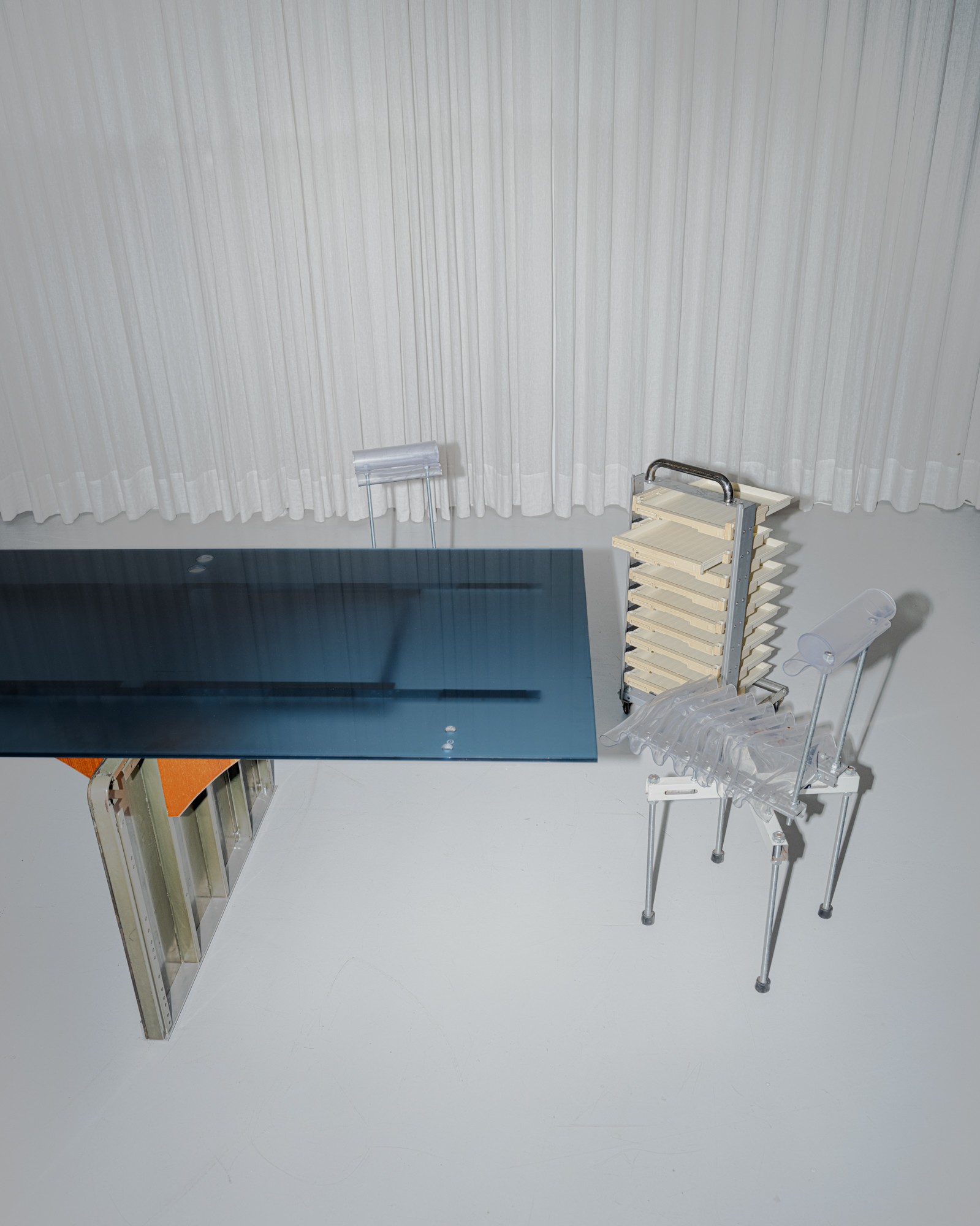
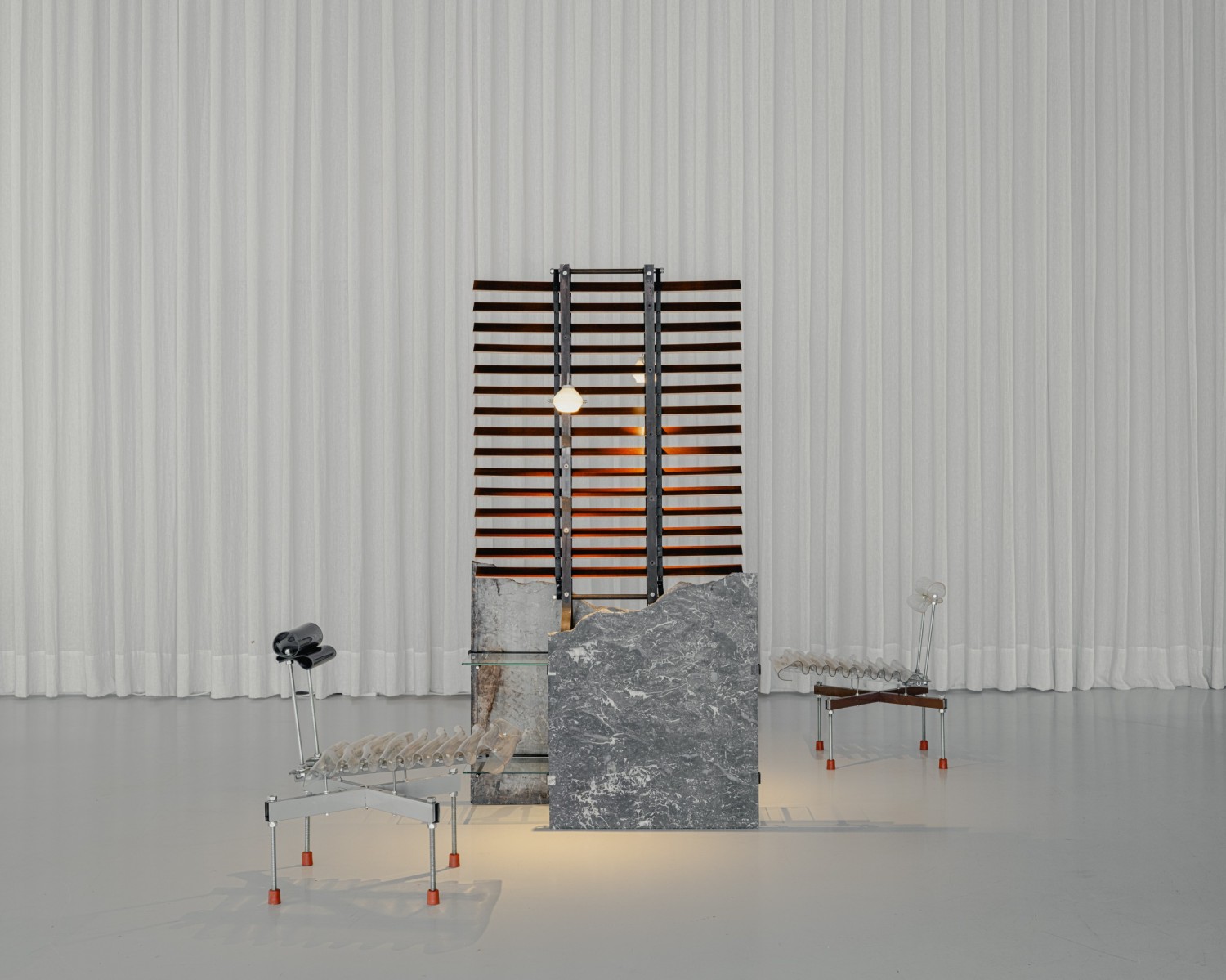
Exposition 'Tracking Habits', Side Gallery, 2025 © Jeroen Verrecht
In Brussels, the streets are sometimes littered with objects left behind by residents. For some, they are rubbish; for others, they are resources for creativity. Take Arnaud Eubelen, for whom these urban fragments constitute a material library from which to draw inspiration, be surprised and create unexpected objects.
His approach is both minimalist and poetic, attentive to what our urban environment has to offer. ‘People leave objects they no longer want at any time of day in Brussels. Rubbish is really everywhere. It’s common in big cities, but it’s very noticeable here’, says Arnaud Eubelen. The Belgian artist grew up in this environment, and this proximity to waste naturally shaped his outlook. His studies in industrial design at Saint-Luc in Liège, then at La Cambre in Brussels, sharpened his critical vision. Why produce? How can we make a new object today?
The Covid period triggered a change in his practice. ‘I used to get most of my materials from DIY shops, but I started sourcing them directly from the street’, he explains. He discovered that everything could be found there, and a concrete, direct and almost intuitive relationship with urban space developed. ‘It allowed me to work with materials that I would never have bought. Materials that I would never have thought of using otherwise’, he confides. Public space became an open-air materials library.
He then began collecting materials. He meticulously stored, sorted and organised each piece of waste in his Brussels workshop. ‘My work is divided into two stages: an initial, very open phase of urban exploration, paying attention to the architectural and social context. Then a workshop phase, which is the opposite. I shut myself away and experiment with my finds’, he explains. The creations emerge organically. While exhibitions and commissions sometimes provide a framework, it is the recovered materials and objects that influence the design of the object in surprising ways. ‘I try to transform the material as little as possible so as not to create new waste. The gesture is therefore very thoughtful and almost minimal’, he continues.
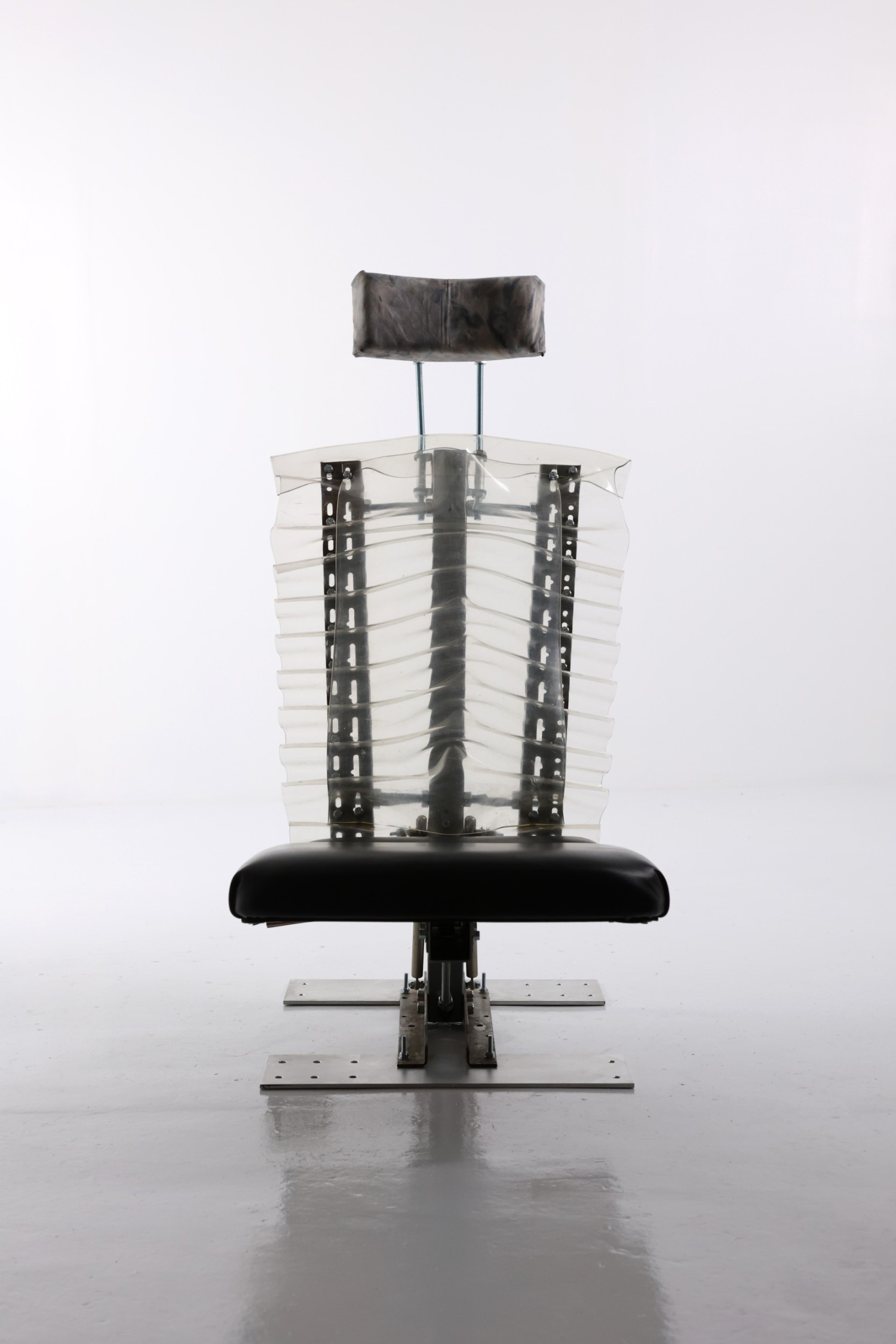
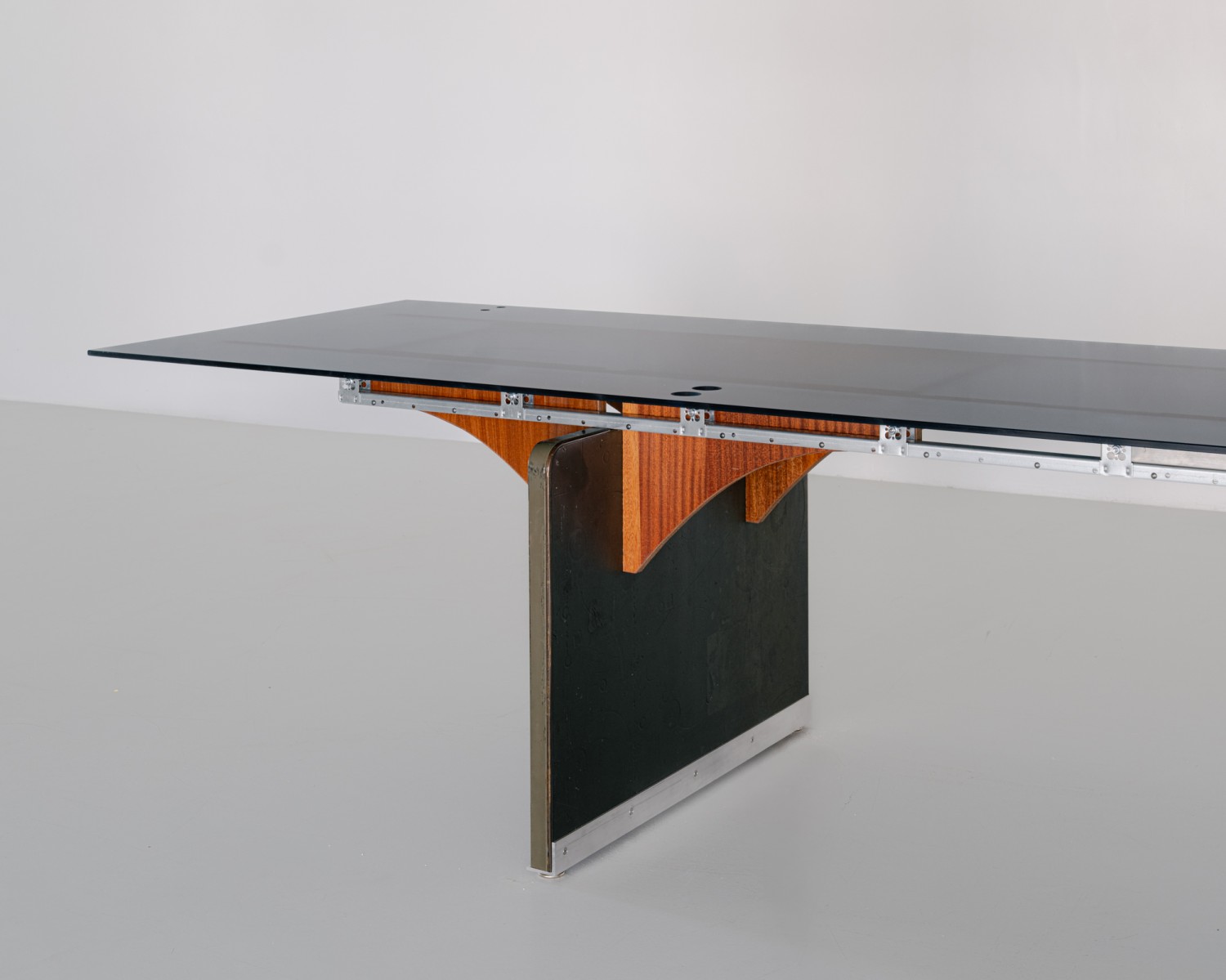
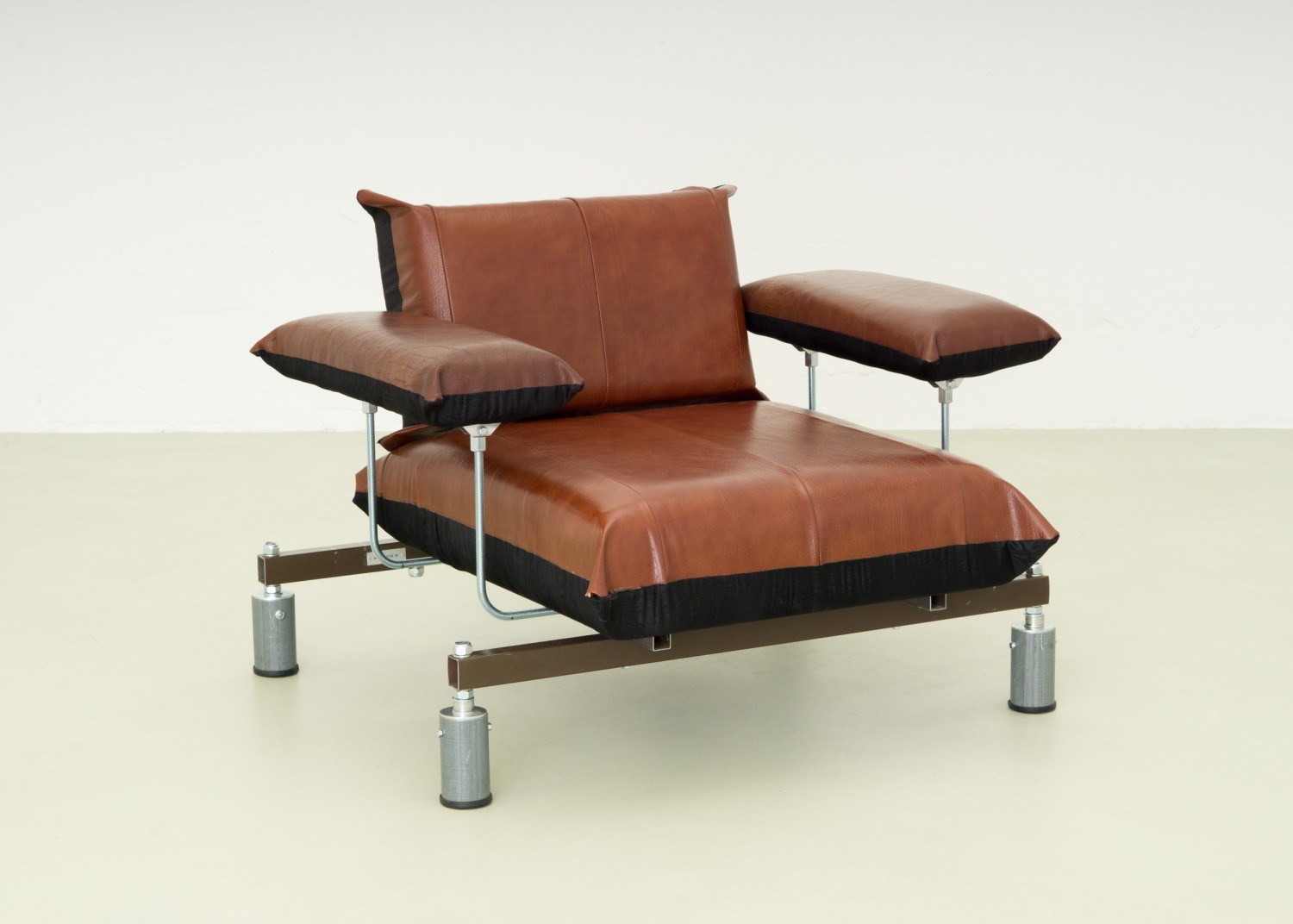
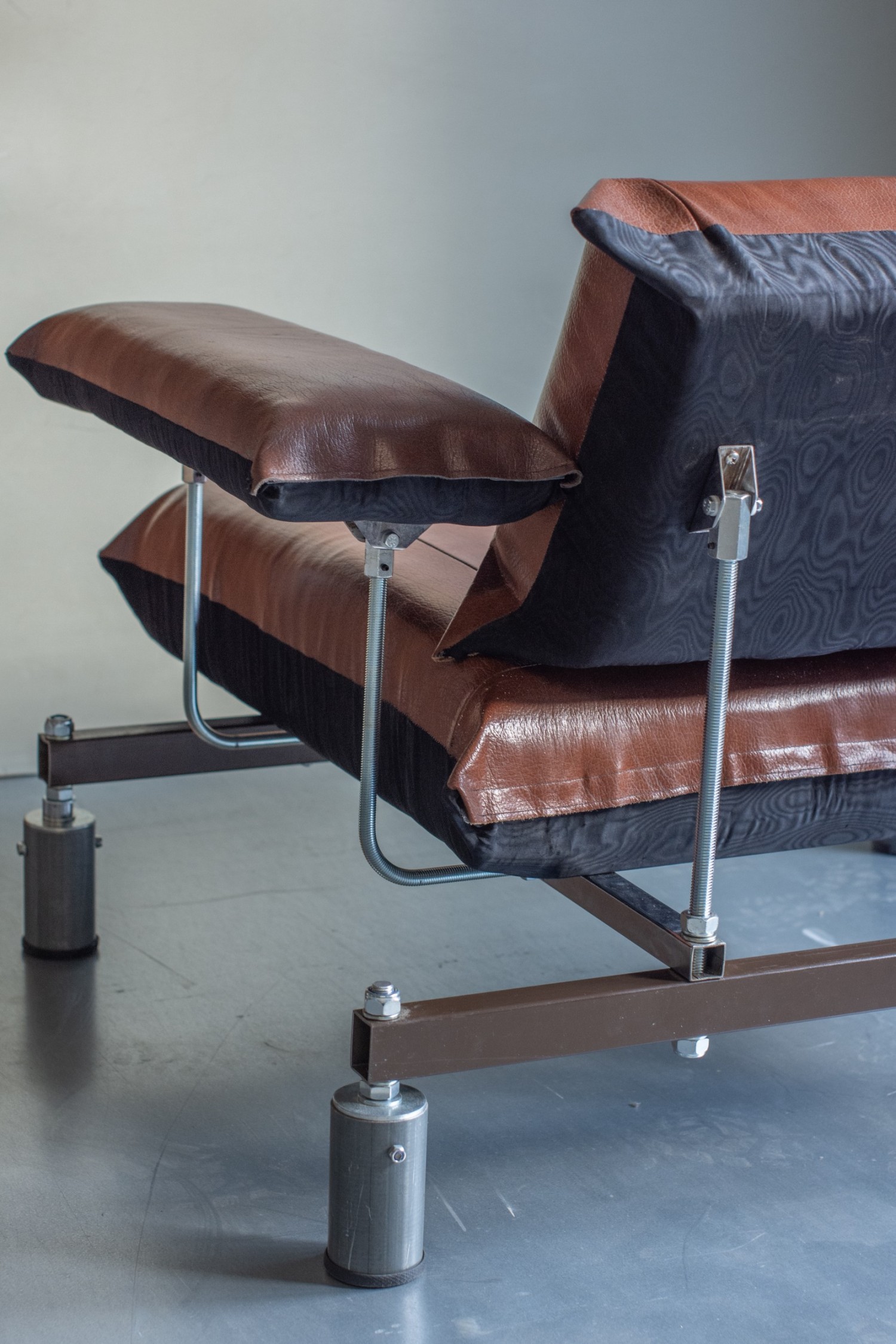
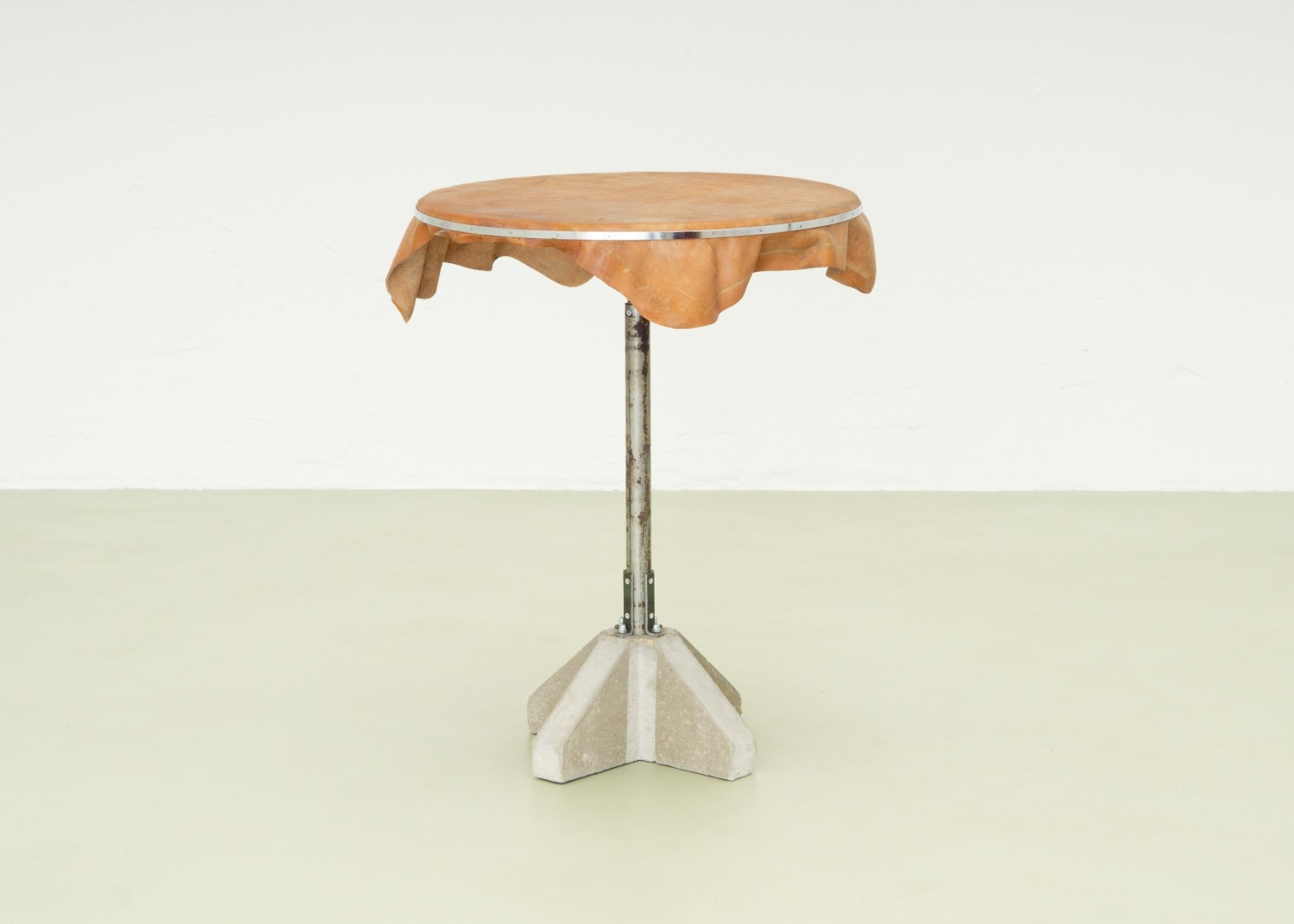
Wood, glass, sheet metal… Arnaud Eubelen seeks out their specific characteristics, accepting their constraints, adapting to them and allowing himself to be surprised by the completely random composition. This gives rise to chairs, tables and lamps in which raw materials come together. A tension emerges between sculpture and design, between industrial production and craftsmanship. This is undoubtedly Arnaud Eubelen’s whole point. He questions and offers a critical view of production and the way we have become accustomed to recognising and normalising its forms.
It is a much more sensitive approach to design, but one that remains extremely legible. ‘If I produce a chair, there is a sculptural dimension to it, but it remains a functional seat’, he explains. Scenography therefore plays an essential role in his process. It allows him to tell the story of the objects, to reveal their status and their relationship with space.
Through his creations, Arnaud Eubelen develops a deconstructed reflection on the urban context, on what the city generates and makes available. For his residency at the La Tôlerie art centre in Clermont-Ferrand, he ventures into a form of collage of materials: suspended panels, composed of recycled elements and inspired by the facades of the surrounding warehouses. Freed from any function, these moving pieces offer a different reading of the city — an ephemeral, changing landscape, always in the making, which the artist follows organically in his work. •
Photos : ‘Automod’ armchair, 2025 © Jaime Asua • Exposition ‘Tracking Habits’ exhibition, Side Gallery, 2025 © Jeroen Verrecht • ‘As long as the body follows’ armchair, 2025 © Arnaud Eubelen • ‘Lost & Found’ exhibition, Kammer Rieck Gallery, 2025 © Gustav Rieck