Inspiration through material
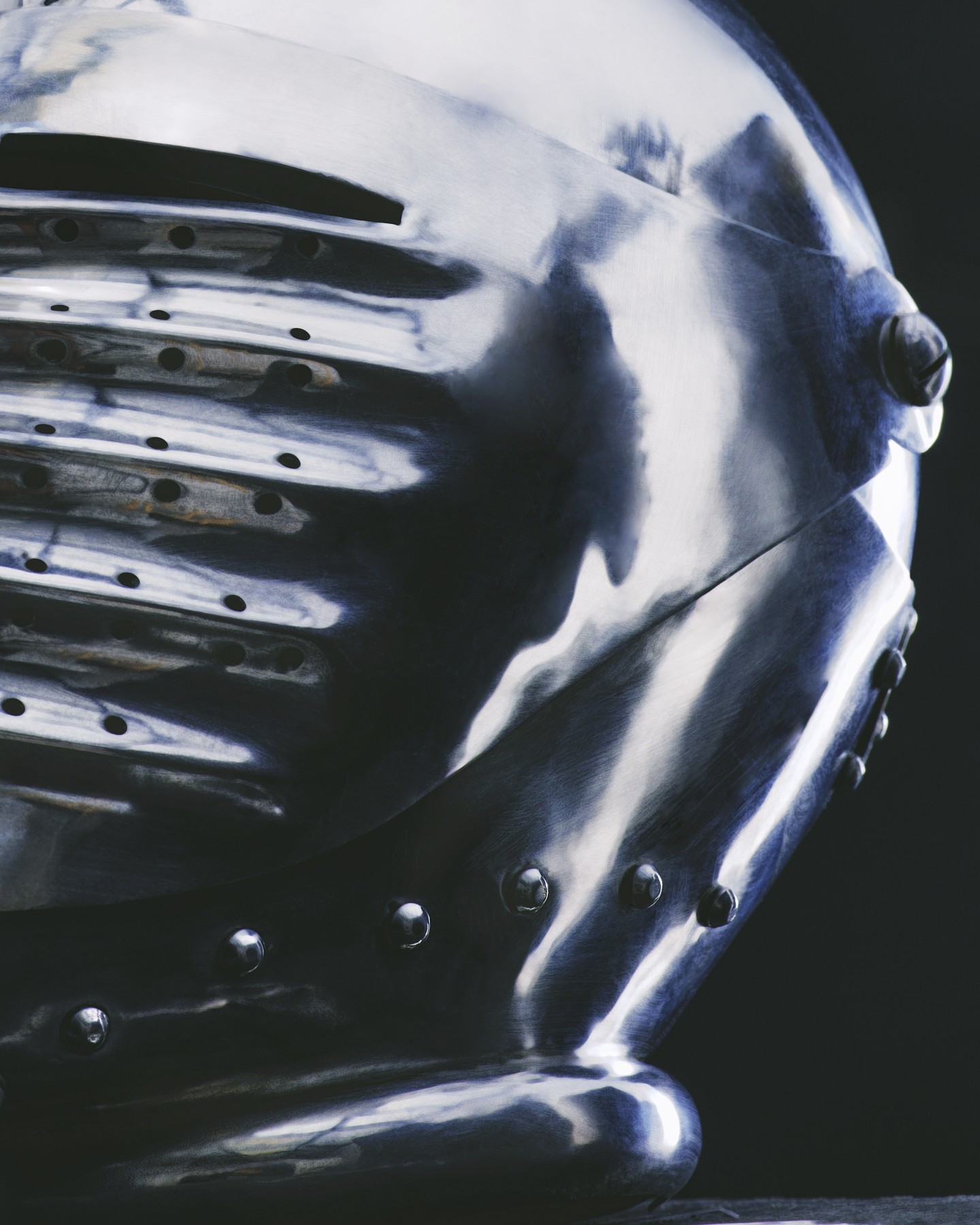
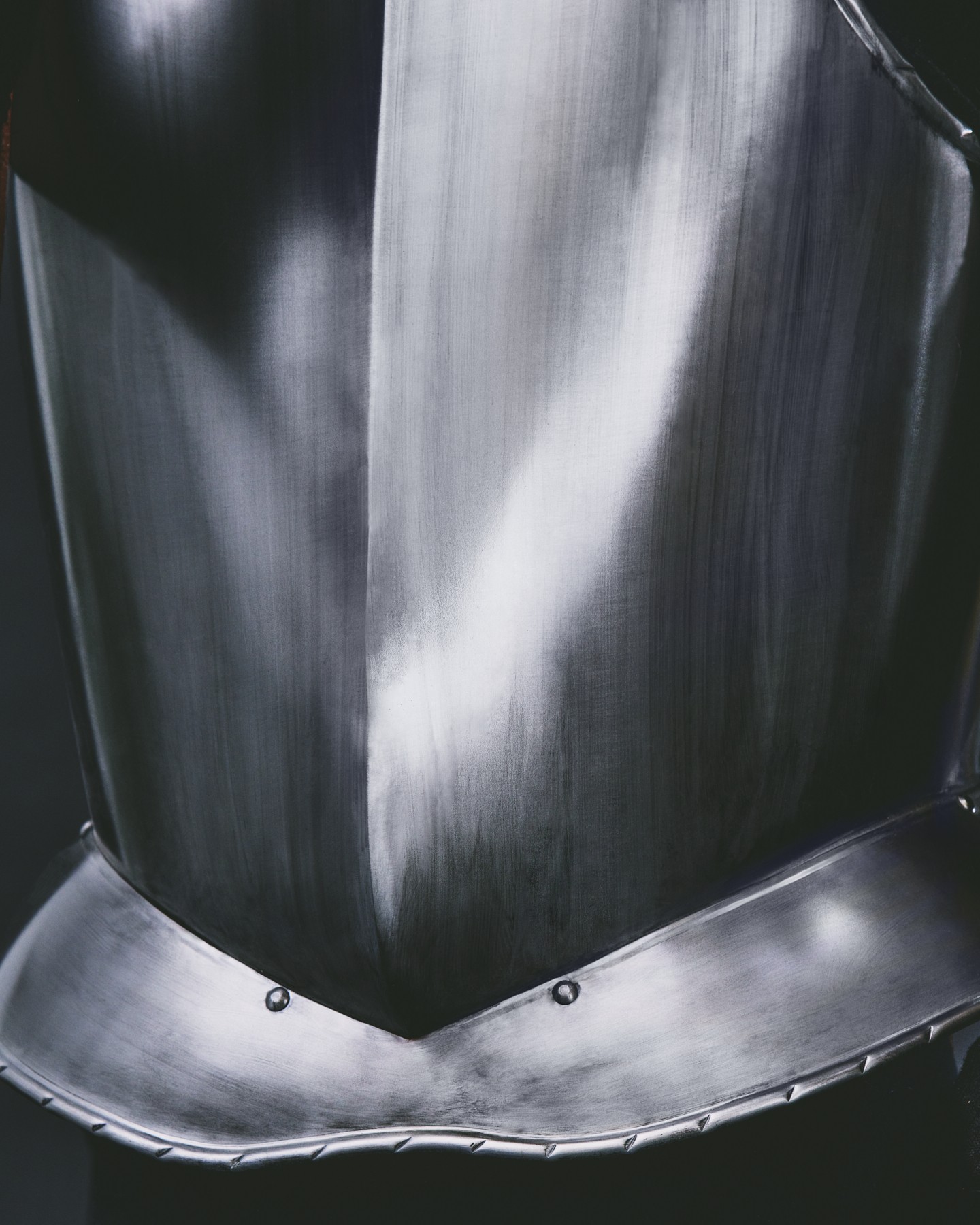
Chevalier © Mathilde Hiley
A photographer of matter and light, Mathilde Hiley develops a practice in which the gaze lingers on surfaces, their vibrations and transformations.
At the crossroads of photography and painting, her work explores the ability of the image to disrupt our perception of reality, at times approaching abstraction. Attentive to textures and reflections, she composes sensitive images in which objects lose their function to become forms and sensations. In this interview, she reflects on her approach, her influences, and her desire to create a dialogue between light, material, and imagination.
In your work, how do texture and materiality influence the way you photograph?
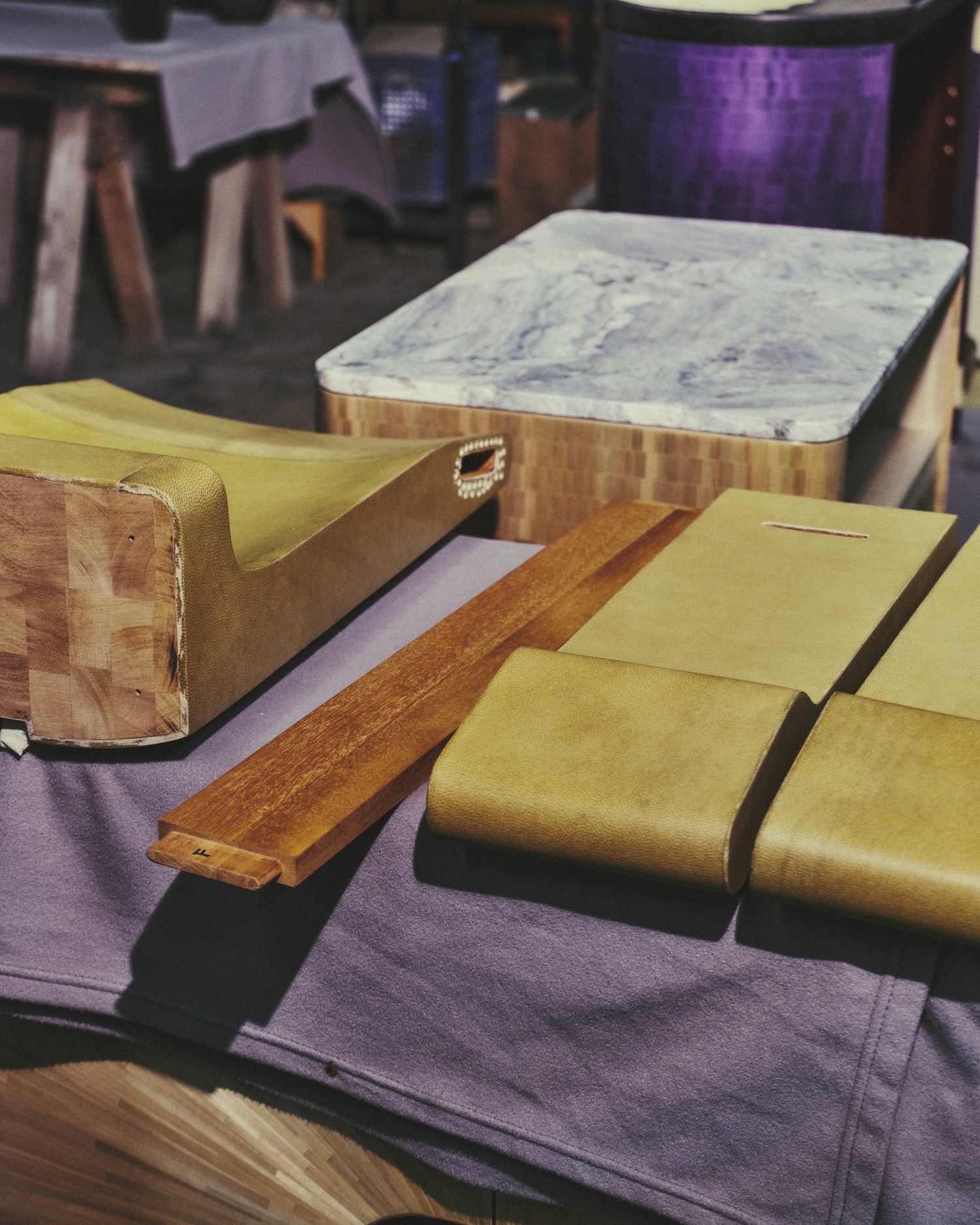
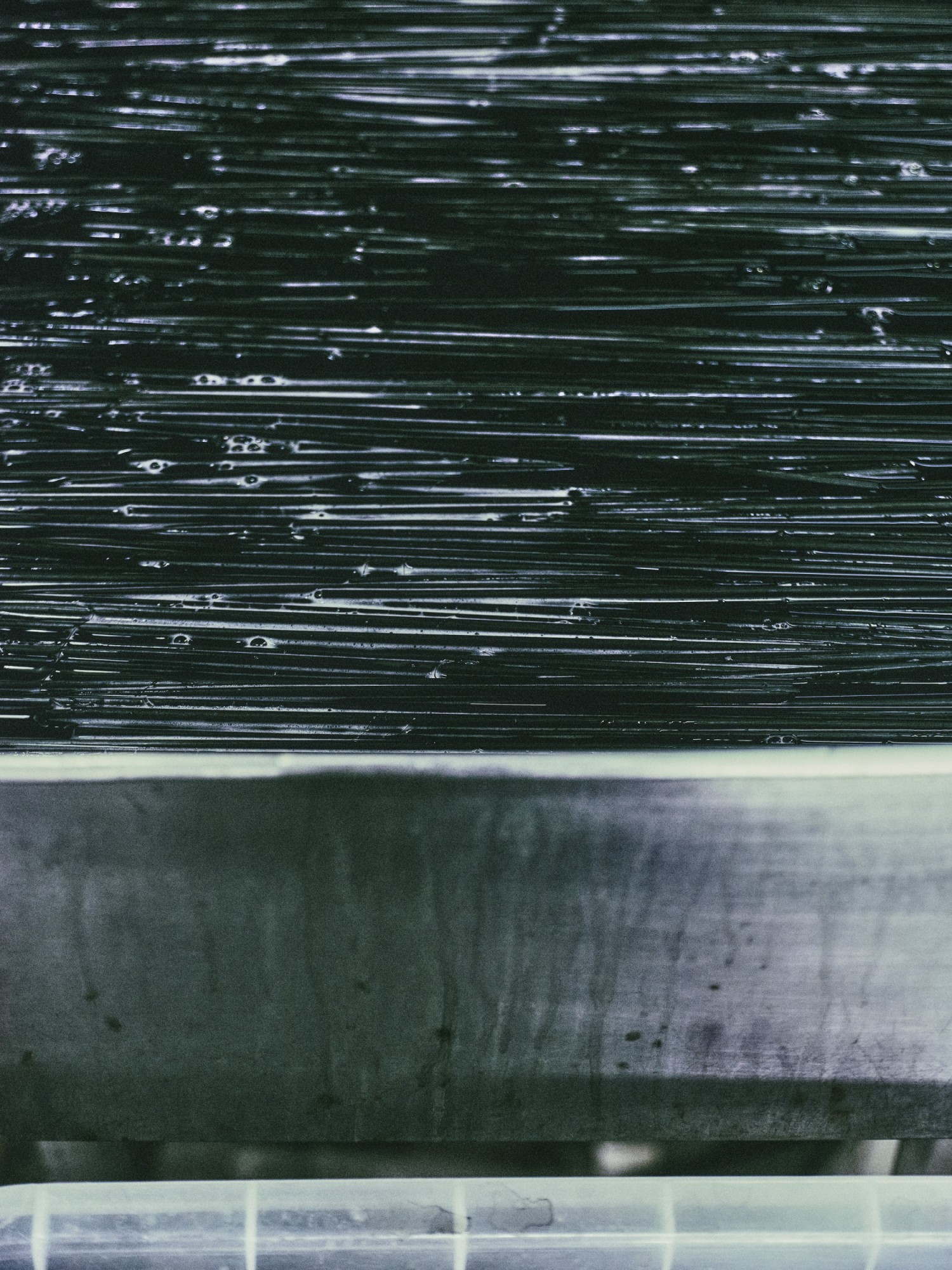
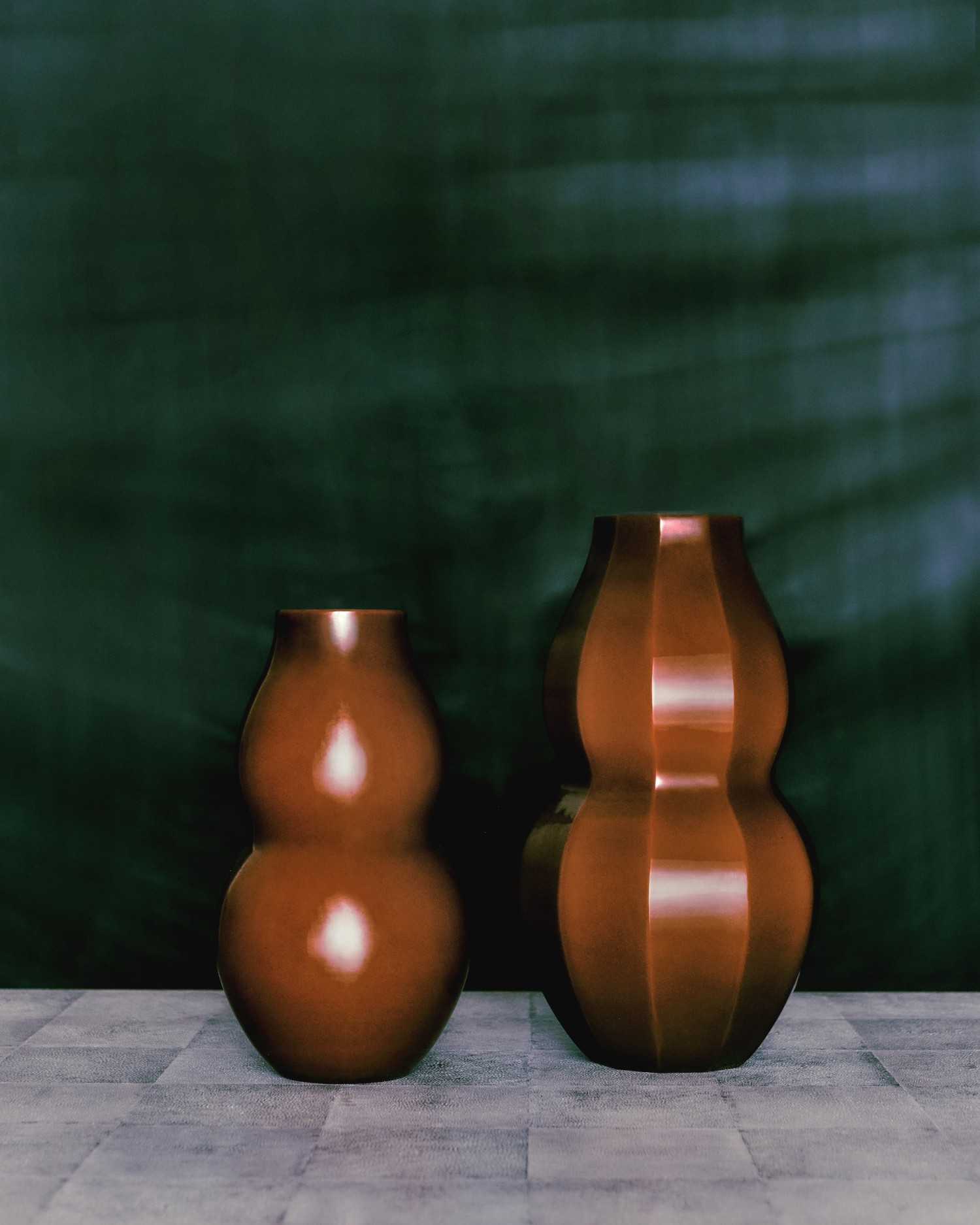
Texture and materiality are often the starting point of my approach. I am first drawn to the surface: the way it receives, retains, or reflects light. Photographing glass, metal, ceramics, or textiles requires a different kind of attention. Light never behaves in the same way: it glides, clings, or disappears into the surface. These reactions guide my choices of framing and composition. What I like is that the result always remains unpredictable. Even a material I know well never reacts in exactly the same way depending on the context. There is always an element of surprise in the encounter between light and matter. I sometimes give more importance to texture than to form. Some images become almost abstract when the surface takes over. What interests me is giving photography an almost physical presence, like a tactile sensation.
What draws you to certain materials?
I am drawn to materials that transform with light. Metal is a good example: depending on its surface, it can be mirror-like or almost velvety. It produces a rich range of nuances, with reflections that reveal unexpected tones. There is also something very tactile about it. Metal carries marks and irregularities, and this imperfection counterbalances the controlled aspect of my images. It immediately brings texture and a sense of vibration. It is also highly responsive to light: it takes very little for it to become visually compelling.
How do Duchamp and painting influence your way of transforming the ordinary into artistic matter?
Duchamp was an important reference. What interests me in his work is his ability to shift our perception of objects, to show that an ordinary object can become a work of art simply through a change of context. Photography has a similar power: through a point of view or a use of light, a simple object can become abstract or poetic. Painting has also played a fundamental role. Impressionism marked me through its attention to light and color. Surrealism interested me for its ability to distort reality and bring out an almost dreamlike dimension. Today, I am fascinated by hyperrealism. In my work, I feel I am taking the opposite path: blurring the boundary between photography and painting, creating images that could almost be perceived as paintings. Photography has become a way for me to access that, a means of constructing images that come close to it. •
Photos: Chevalier • Workshop, Alexander Lamont, Bangkok, Thailand • Fortune vase - Burnt Orange, Alexander Lamont • © Mathilde Hiley