Inspiration through material
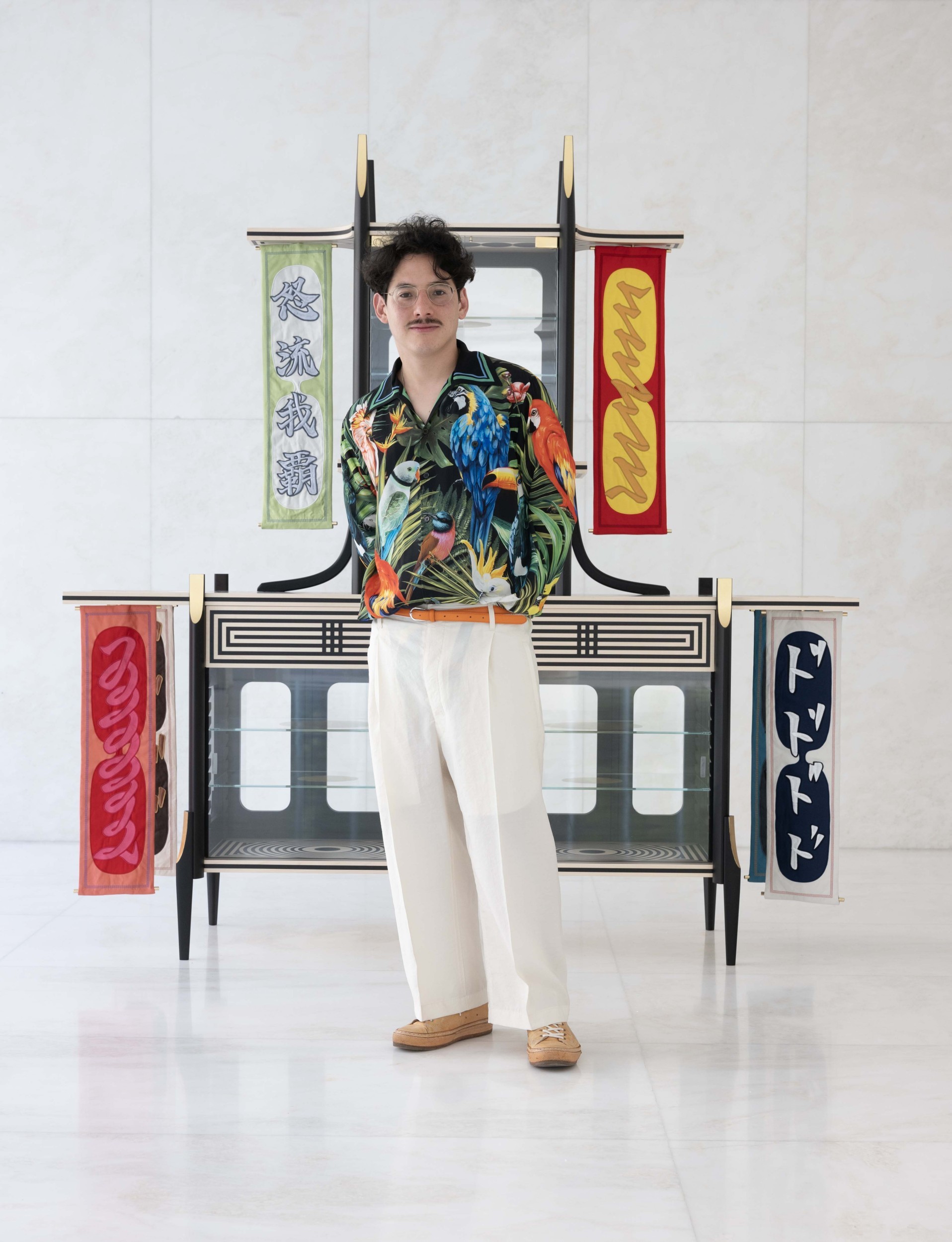
Rio Kobayashi • © Broggi
For some designers, object design is not only a matter of drawing. It is also about understanding materials. Rio Kobayashi belongs to this category of creators.
Raised in the Japanese countryside, he first encountered craftsmanship through his parents: a potter father and a mother who restores antique works. Curious by nature, he soon looked beyond Japan and quickly moved to Austria. There, he joined a carpentry workshop and began working directly with materials. Iroko, ash, oak: he discovered different wood species and explored their properties—planing, hammering, turning. Gradually, he stopped defining himself solely as a designer and began to describe himself as a “maker”: someone who masters techniques, conceives objects and accepts the unpredictable character of materials.
This knowledge gives him genuine creative freedom and allows him to approach objects differently. “I discovered the international design scene, especially after moving to London, where I was struck by the seriousness of the environment”, he recalls. Wanting to destabilize what he perceived as an intimidating field, he sought to move away from a rigid and hierarchical vision of objects. Humor became a strategy. The object was no longer a collectible artifact but something that could be questioned, physically and emotionally explored—capable of awakening personal memories.
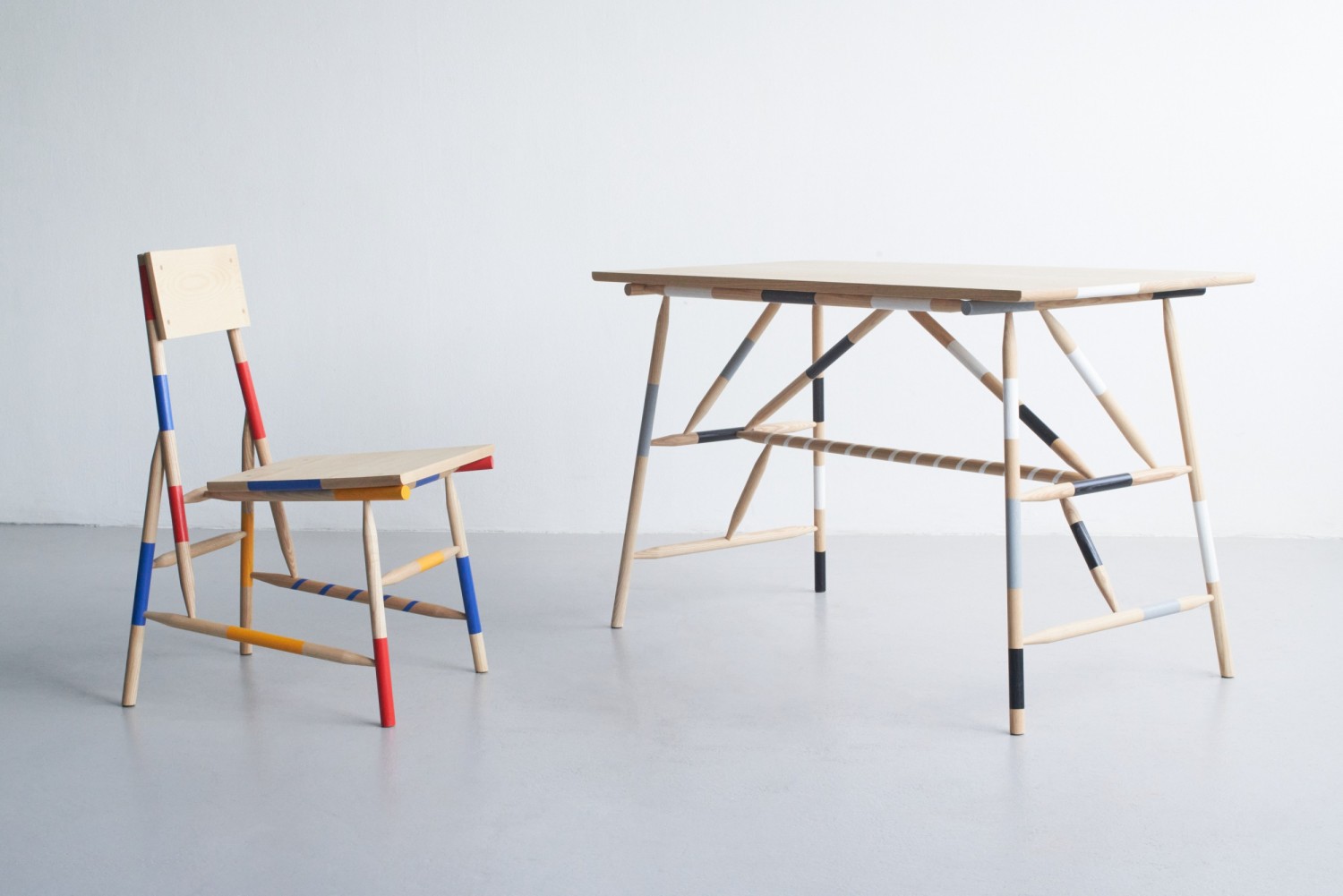
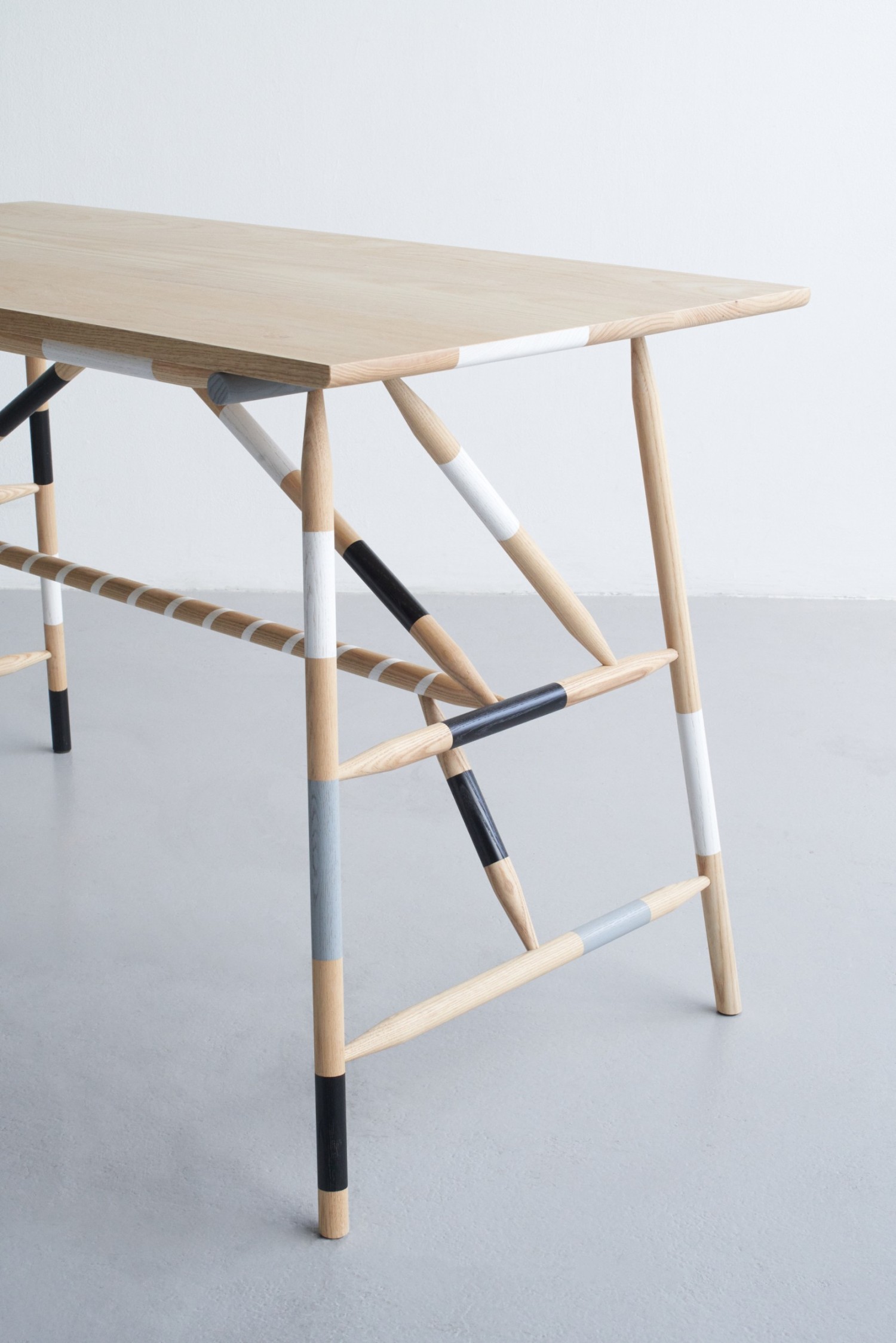
He laid the foundations of this discreet humor with his first collection, Mikado, in 2017. Who has never played the famous game in which precision of gesture becomes a playful challenge? Kobayashi taps into this shared cultural reference by translating the game into a series of chairs, stools and tables. Thin wooden sticks with colored tips become structural elements—slender silhouettes that evoke the fragile balance of the game while revealing the qualities of ash wood and the precision of craftsmanship. “Humor is not added at the end. It emerges from contact with the material”, he explains. The designer pushes this subtlety even further. While the name Mikado spontaneously evokes Japan, the game is actually a Hungarian invention. Kobayashi plays with this ambiguity, deliberately engaging with both Eastern and Western clichés.
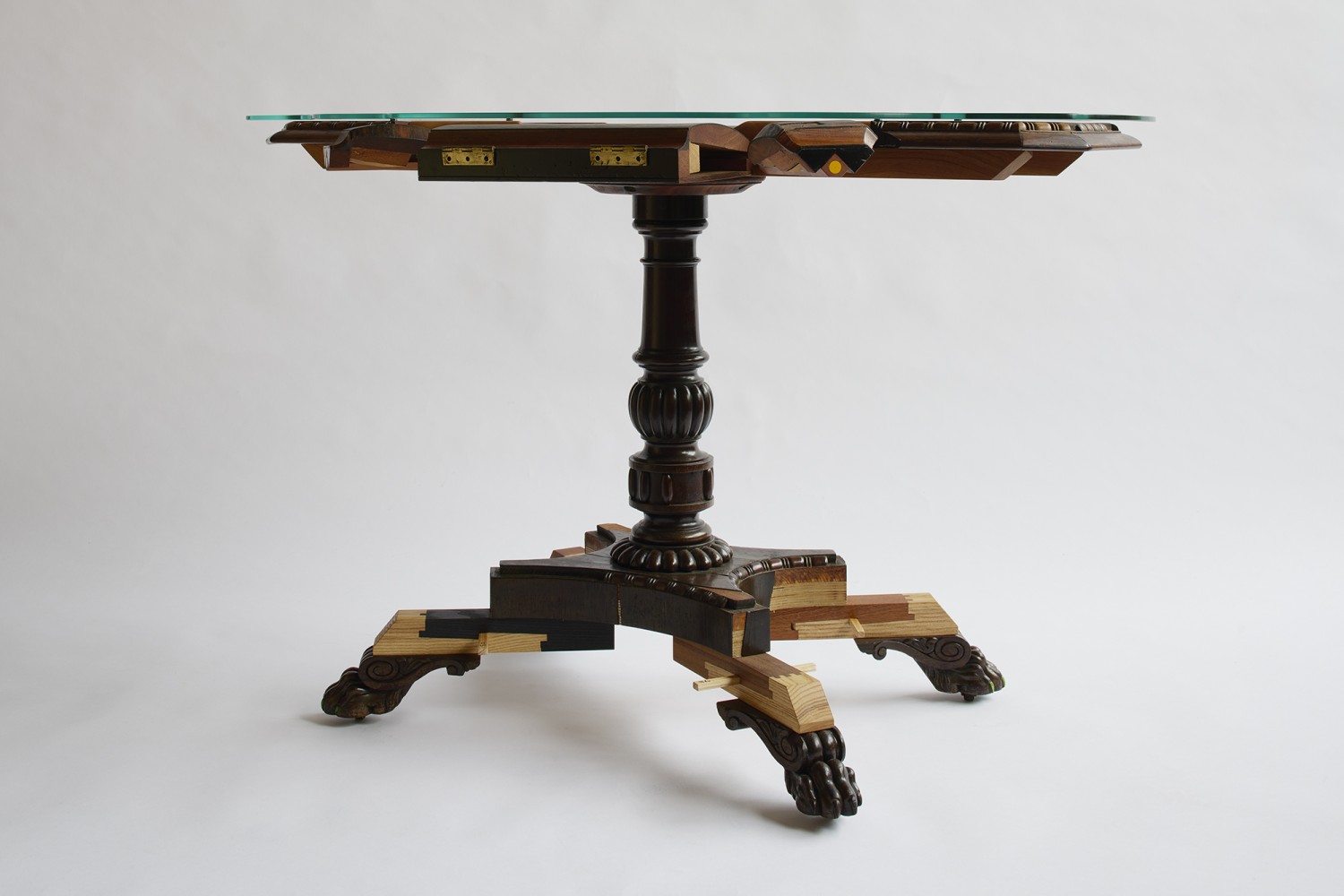
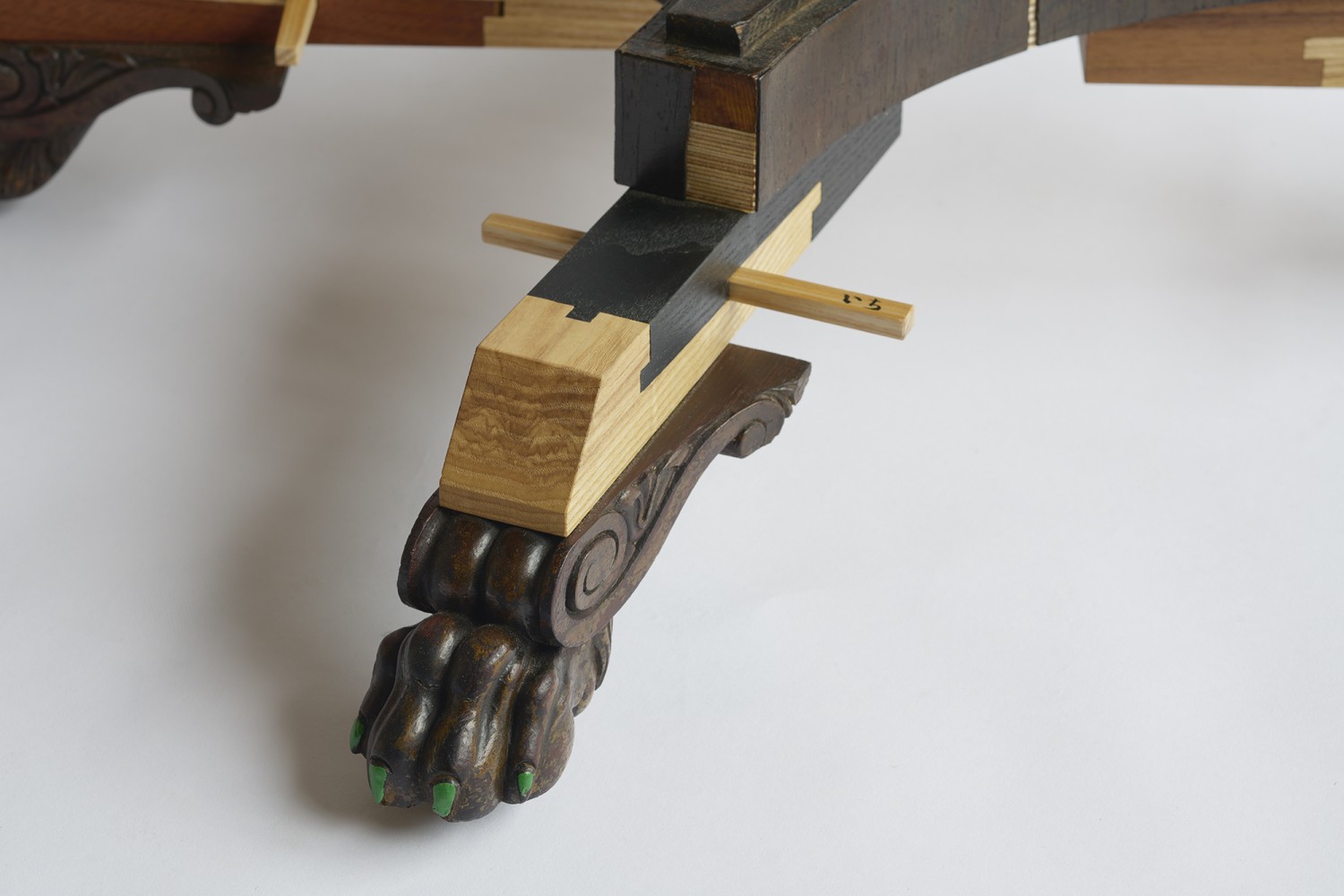
Craftsmanship and humor remain the guiding threads of his research. After participating in the collective exhibition “R for Repair” at the Victoria & Albert Museum, he turned toward reclaimed materials. Repairing, reassembling, reinventing: he gives new form to neglected elements that nevertheless carry stories. “I’m interested in what happens when a familiar object is slightly displaced. I’m not trying to destroy its identity, but to reveal it again”, he explains.
For Rio Kobayashi, nothing is fixed. Forms evolve, but the object retains its potential. His recent exhibition “Crooked Pencils”, presented at London’s Kate MacGarry gallery, illustrates this approach. Chairs with unruly armrests and desk tables reminiscent of liturgical furniture—these pieces, made from salvaged materials in London, are deliberately imperfect yet meticulously crafted.
And although the designer has recently returned to working with new wood for a project in Tokyo, his perspective on materials remains the same. “Working with 150-year-old Yoshino cedar, traditionally reserved for shrines and temples, I feel a deep sense of responsibility. If you take something living, you must not waste it.” Here he draws on the Japanese concept of mabiki, a practice of thinning forests to allow other trees to grow. From this cedar he created a seating installation, while its offcuts will give rise to pavilion-like structures. For Rio Kobayashi, transformation never means erasure—it means accompanying the material through its evolution. •
Photos: Mikadosama desk and Mikadosan chair, Mikado series, Rio Kobayashi, 2022 • © Benjamin Butcher • Nancy table for the “R for Repair” exhibition at the Victoria and Albert Museum, Rio Kobayashi, 2022 • © James Harris