Inspiration through material
Raucord Falls • © Chaska Briceño Bousquet
What if rattan were no longer confined to seating? The Studio Drucker was born from this question.
You may not be familiar with Maison Drucker, but you will certainly recognise its creations. They adorn the terraces of Parisian cafés and are now spreading beyond French borders: the famous rattan chairs. Since 1885, the manufacturer has been perpetuating the art of weaving and rattan furniture, combining heritage and innovation. A year later, in 1886, another institution of French craftsmanship was born: the École Boulle. Two contemporary houses, born of the same spirit of artisanal excellence, yet it took more than a century for their paths to cross. Designer Anthony Guerrée was the catalyst. In 2020, he called on the factory to design a model for his collection of chairs inspired by Marcel Proust’s À la recherche du temps perdu (In Search of Lost Time). A few years later, Drucker contacted the designer, who had become a professor at the École Boulle, to devise a unique partnership with the educational institution.
This led to the creation of Studio Drucker, a creative laboratory within the school that is much more than just an academic exercise. The project aims to pass on craftsmanship while exploring the historical heritage of the factory through a fresh perspective, that of the school’s young talents. It is the students of the DNMADE Design d’Objet, Publishing and Production who inaugurated Studio Drucker by exploring a practice rarely addressed by the manufacturer: decorative panels. How can the company’s techniques, materials and technical resources be exploited through a different language, this time a visual one? How can volume be added to a surface and a two-dimensional pattern be brought to life? The students thus took a reverse approach to rattan. The object is no longer the end goal, but rather a pretext for in-depth research into design. After immersing themselves in the workshops of Maison Drucker
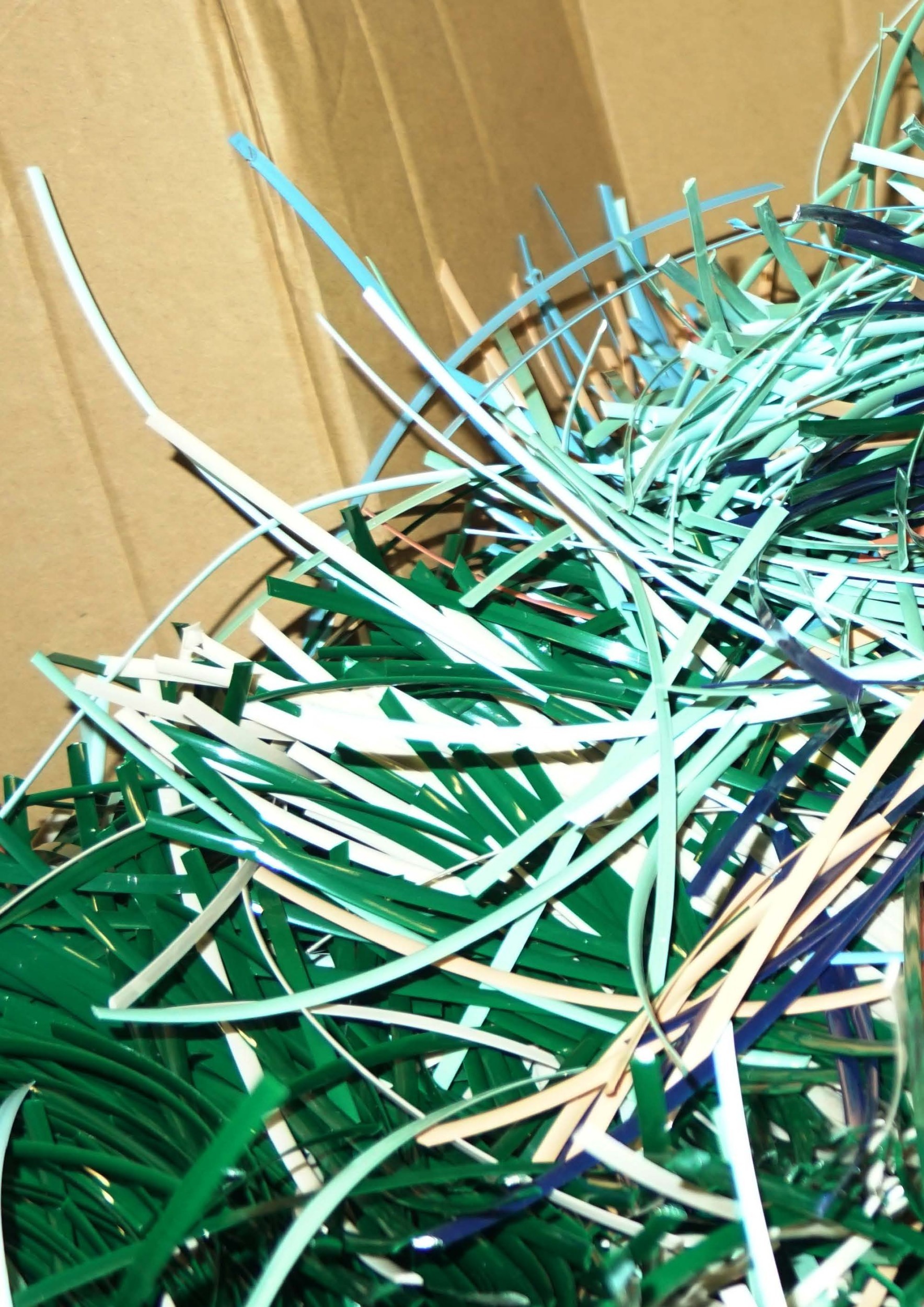
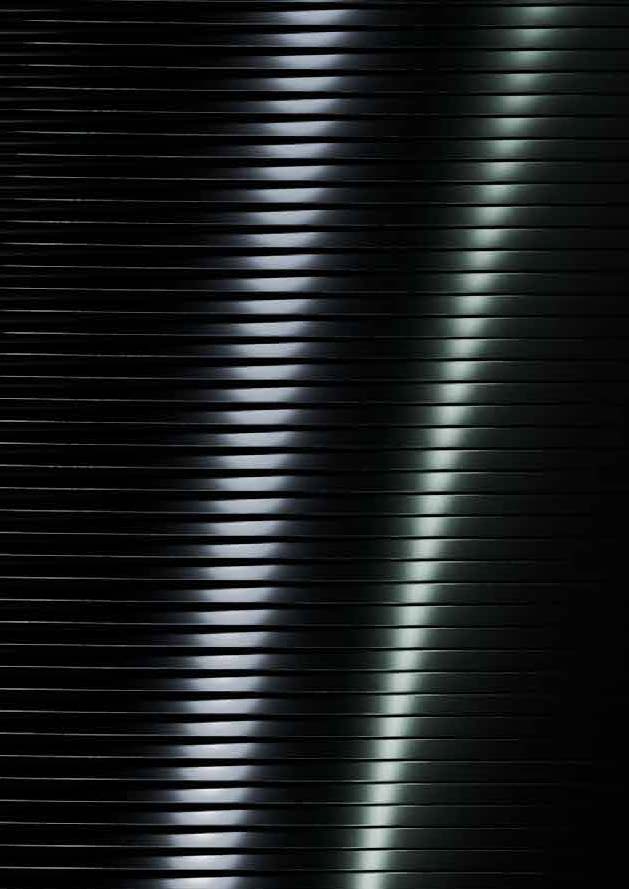
Near Compiègne, they discovered the material and how it is shaped using a steamer, which moistens, heats and softens the rattan. Through contact with this living material, the designs took shape. Patterns, geometries and graphic interlacings play on the colours, light and vibration of rattan. This first edition, SURFACES, demonstrates the versatility of weaving. It breaks free from traditional forms to become both a decorative and architectural element: wall covering, headboard, screen, even coat hook. Their resolutely modern research has opened up new perspectives. The prototypes were presented in January at the Maison Drucker stand at Maison&Objet, accompanied by an editorial catalogue capturing the spirit of the project through drawings, models and fragments of prototypes.
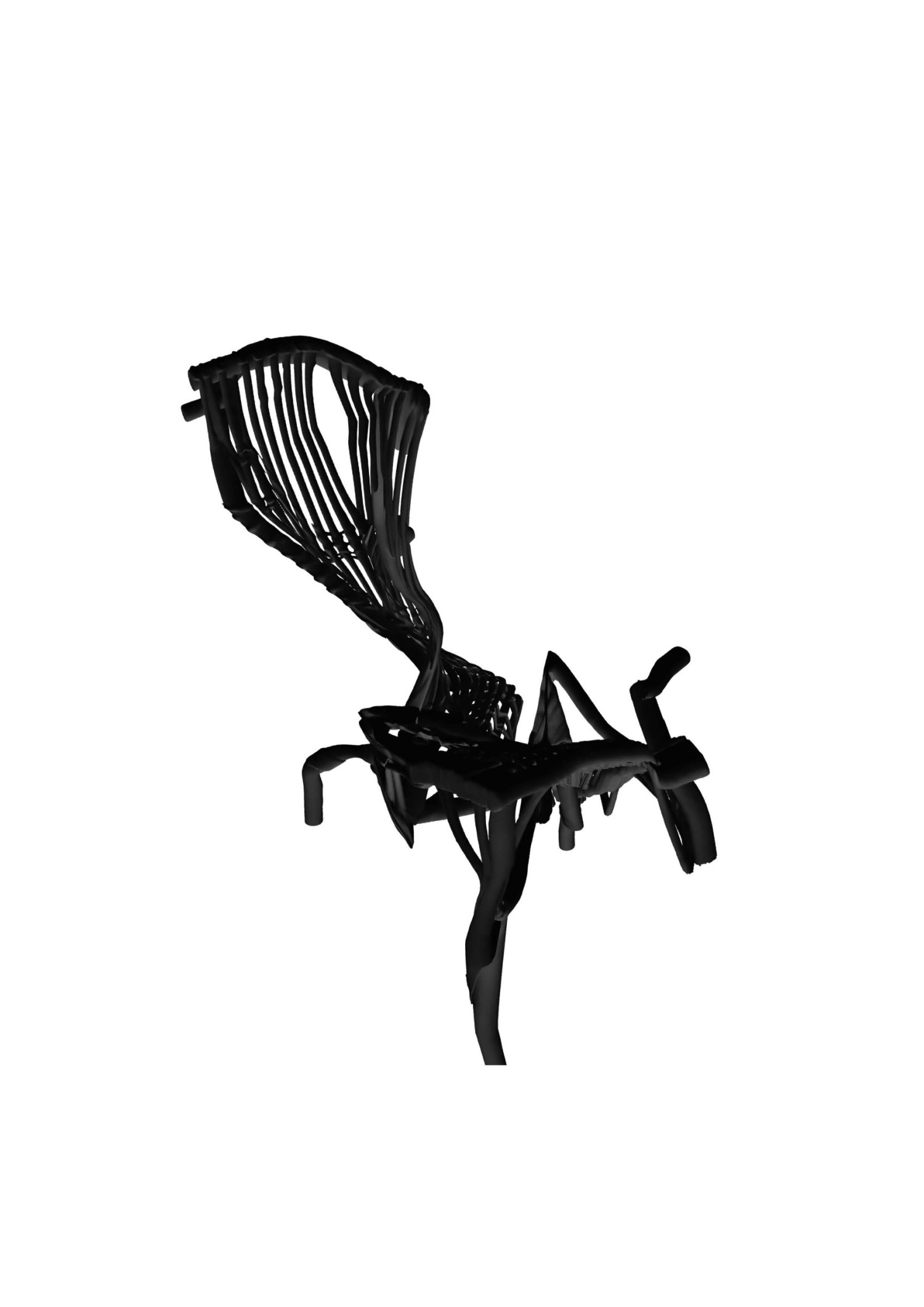
While the new second-year students continue to explore the potential of rattan to express itself in space around the theme of “The Line”, the École Boulle is deepening its collaboration with Maison Drucker. This year, the educational institution is celebrating its 140th anniversary and, to mark the occasion, it is taking on a new challenge: revisiting the chair, an iconic object of French manufacturing. Fourth-year students are thus confronted with a world of productive design — far removed from the high-end cabinetmaking they usually study. They will have to contend with the constraints of the material and reinvent the seat by incorporating rattan scraps into their creations. These future explorations extend the encounter between craftsmanship and innovation and help to promote the excellence of French know-how through the eyes of tomorrow’s designers. •
photos : Framework, modelling © Lester Argüelles • Digital image, meshy © Robin Sant