Inspiration through material
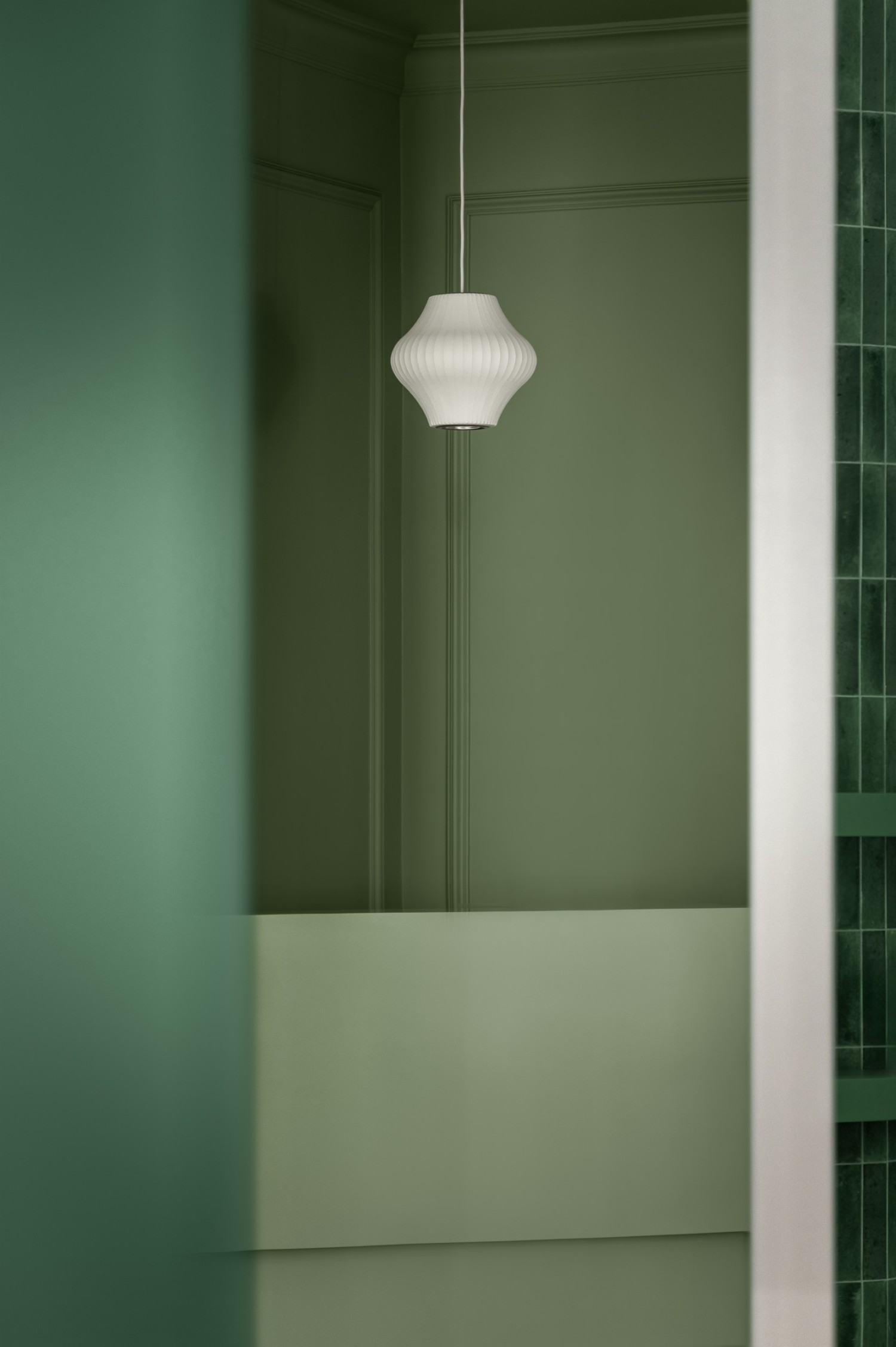
Gunia project showroom, Temp Project Studio, Kiev, Ukraine, 2025 • © Yevhenii Avramenko
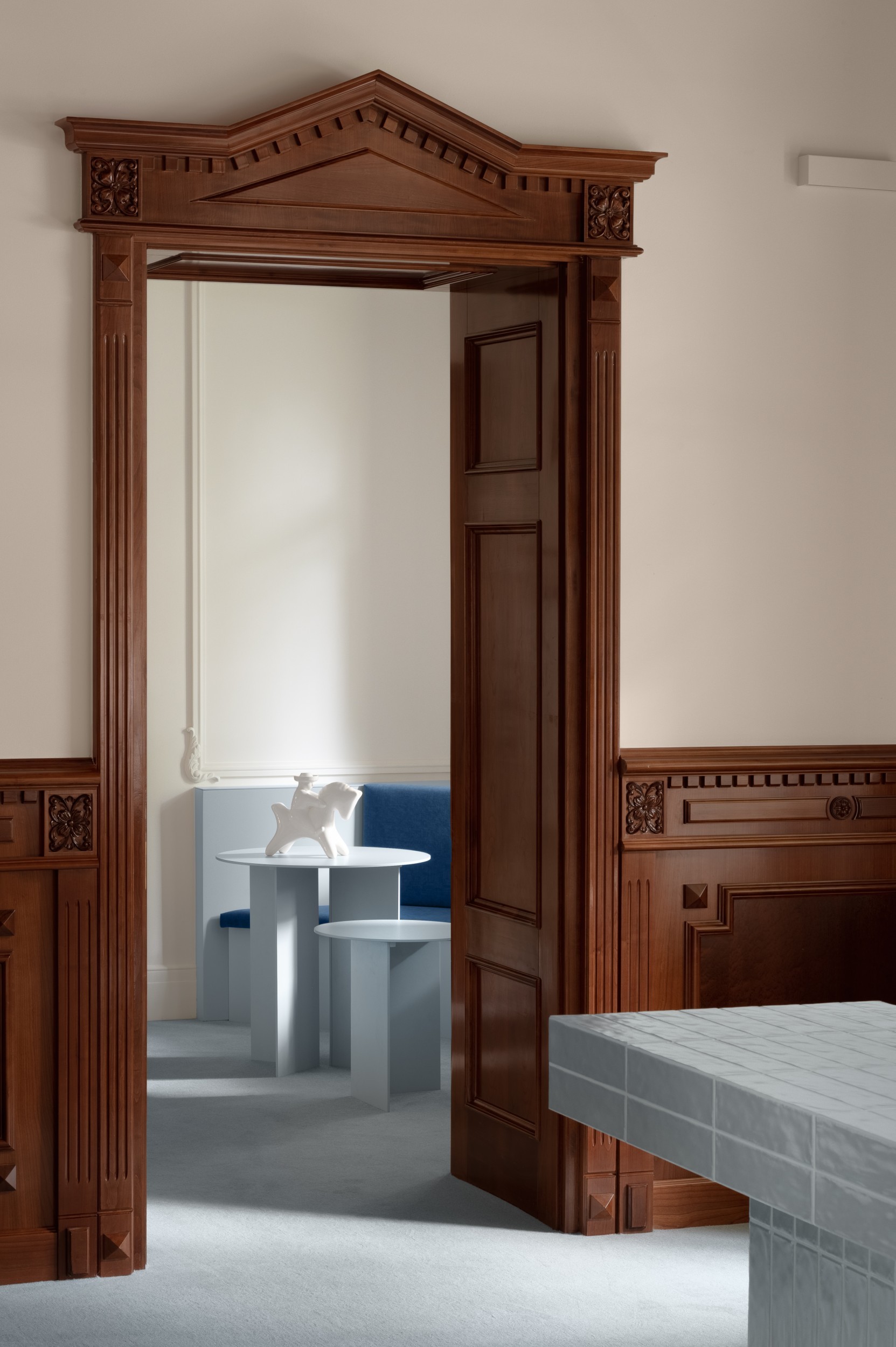
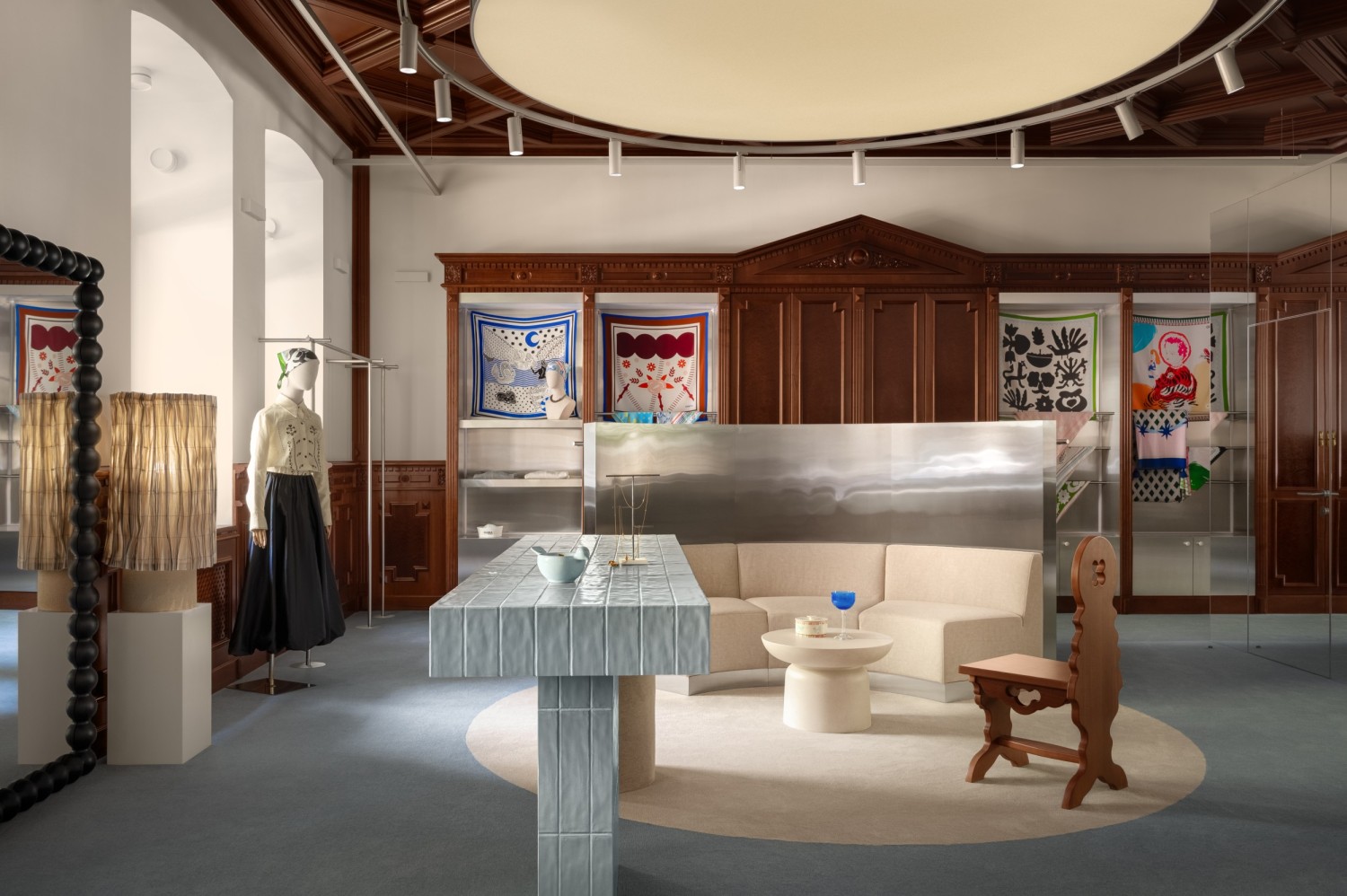
Challenging the weight of neo-Renaissance codes, architect Anastasiia Tempynska has conceived a contemporary, luminous and airy setting for Gunia’s collections—manifestos of Ukrainian artisanal and cultural heritage.
As Ukraine’s future remains uncertain, Kyiv’s creative community continues to demonstrate remarkable resilience. At the corner of Zolotovoritska and Reitarska streets—one of the city’s most vibrant arteries, filled with galleries, bookshops, cafés, studios, and independent boutiques—the fashion and lifestyle brand Gunia has opened its new flagship. A favorite haunt of the city’s stylish youth, the neighborhood is also steeped in history: “The store is located in the historic center of the capital, considered the cradle of Kyivan Rus—the first state of the Eastern Slavs”, explains architect Anastasiia Tempynska. “It is therefore a fitting location for a brand that draws as much from contemporary Ukrainian culture as from its deep-rooted traditions.”
Built in the late nineteenth century, at a time when luxurious residential buildings were multiplying around Saint Sophia Cathedral and the Golden Gate, the structure—once home to the Panamanian embassy—imposes a massive presence. When the architect and the creative duo behind Gunia first visited the ground floor, imagination was required: 180 sqm deprived of light and weighed down by dark wooden panels and bulky structures. Listed as a local architectural monument, the building is subject to strict renovation regulations.
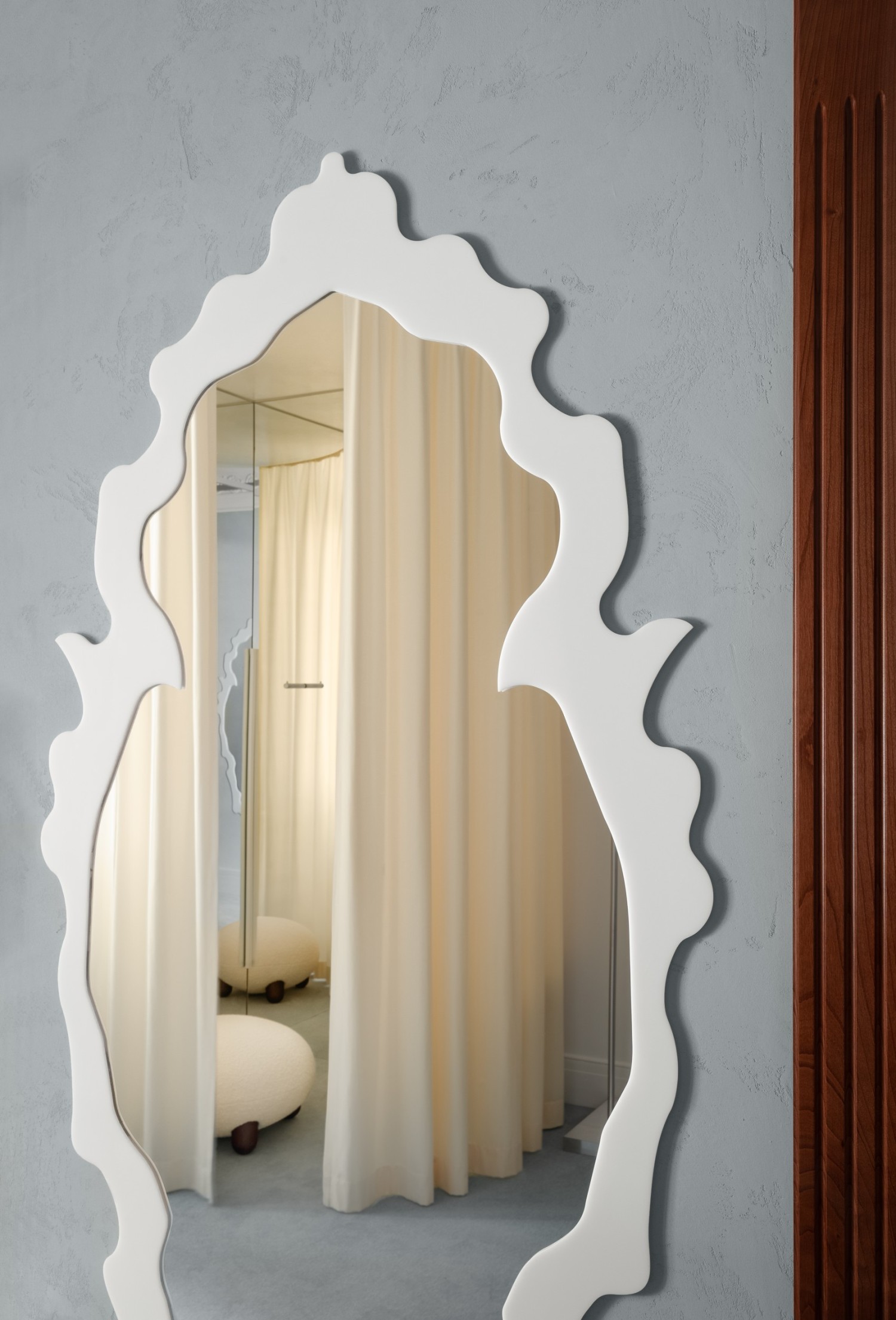
Yet, the existing architectural features were never meant to overshadow the identity of the brand. “To counterbalance them, we introduced pastel tones—particularly soft blues and pinks, signature colors of Gunia—combined with glass and metal”, explains Tempynska. “The space gained lightness and balance, refocusing attention on the collections.” At the same time, this approach subtly highlights the existing woodwork, referencing traditional Ukrainian craftsmanship and folk art. Furniture produced by NOOM, WOO Furniture, and Cegla Studios further reflects the brand’s commitment to local production and heritage expertise.
Founded in 2019 by Natasha Kamenska and Maria Gavryliuk, Gunia reinterprets this cultural heritage through jewelry, ready-to-wear, and tableware. The duo operates its own ceramics workshop in Kyiv and collaborates with artisans across the country. Embroidered collars and aprons, lace or silk scarves, crocheted knit dresses, coats made from Carpathian wool, hand-blown “guta” glassware, and hand-painted plates decorated with naïve icons and symbolic motifs all emerge from this network of craft traditions.
“Gunia did not want a conventional retail space or a literal folkloric approach”, concludes the architect. “They were looking for something contemporary, powerful, and alive. Our collaboration therefore felt completely natural. At the same time, we acknowledge the existence of two legacies—urban and rural—and pay tribute to each by allowing these layers to coexist harmoniously.” •
3 QUESTIONS TO
Anastasiia Tempynska
Can you tell us about your background as an interior architect?
I studied architecture and design at the Kyiv National University of Construction and Architecture (KNUCA) and urban planning in Lviv. I then worked with several well-known Ukrainian design studios in Kyiv. In 2022, I founded my own interior architecture practice, Temp Project Studio. We began by designing stores for the Ukrainian fashion brand Cher’17. Today we work on ready-to-wear boutiques, jewelry stores, and niche perfumeries. We are also developing our first international project: the design of office spaces in Lisbon, Portugal.
How does your personal environment influence your work?
I was born in the Vinnytsia region, in Podolia, a landscape of vast plains and rolling hills, and grew up in Dnipro, an industrial city. Shaped by the Soviet era, its architecture is both brutalist and experimental, notably in the contemporary projects of Alexander Dolnik, whose new districts were inspired by Switzerland.
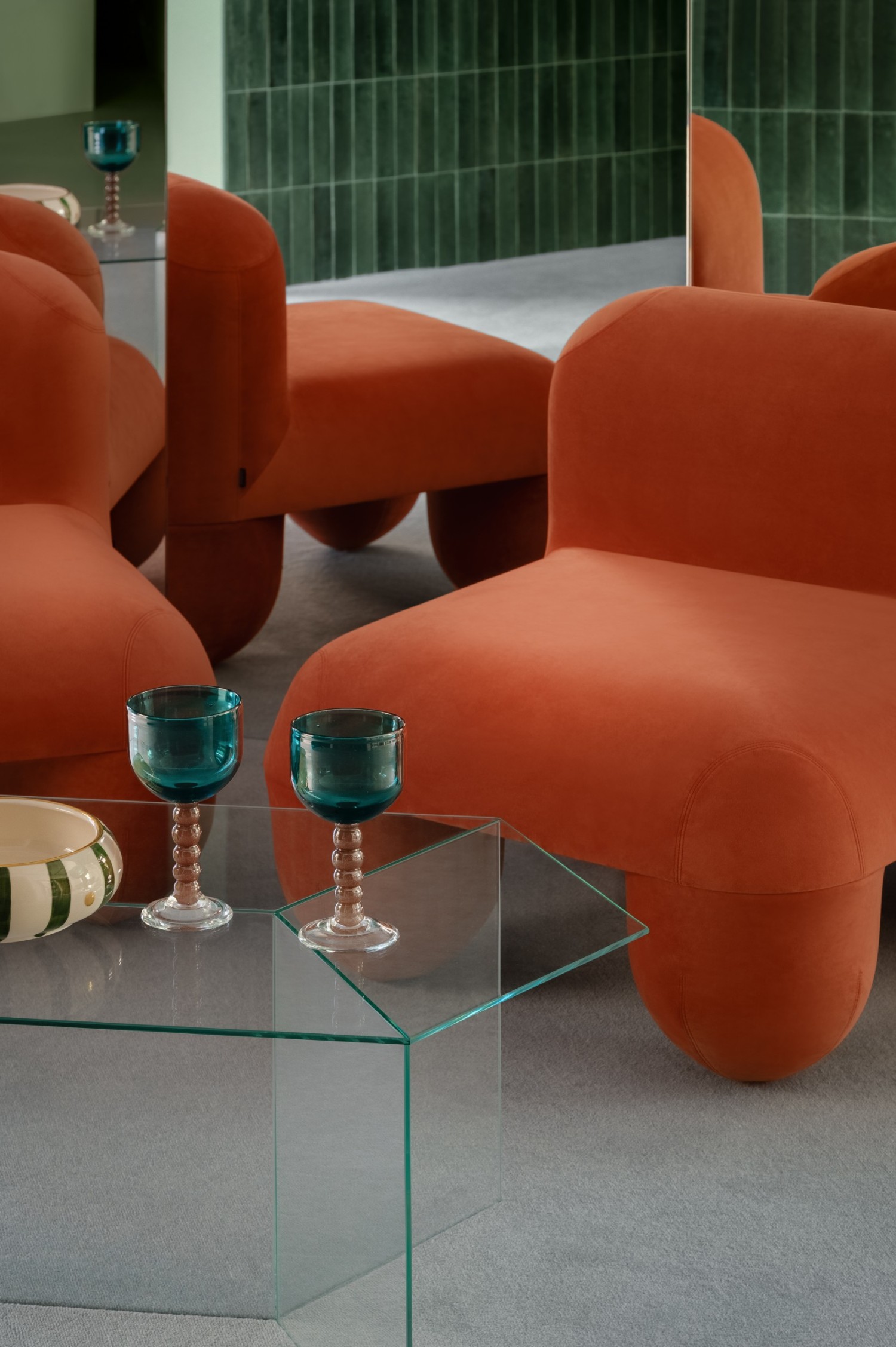
I traveled there frequently and became interested in architects such as Peter Zumthor, Mario Botta, Herzog & de Meuron, as well as Le Corbusier and David Chipperfield. Their work shows how monumentality and radicality can soften through contact with nature and more organic forms. But my favorite landscape remains the Carpathians. The mountains there are steep, the materials raw, and the light softened by mist. I try to infuse that sense of powerful, almost silent calm into each of my projects. For Gunia, we designed the space as an interior landscape —a sequence punctuated by pauses and detours, inviting visitors to slow down and observe. Green tiles evoke trees, metal and glass suggest water, while blue tones recall the sky. In the end, the space feels more like a garden than a store.
What materials do you most enjoy working with?
For a long time, I dreamed of working with stainless steel. When I began my career, it was rarely used in Ukraine, but through my projects it gradually became my new white: a luminous neutral background on which to compose. I also love glass for its transparency and its ability to capture light. And I remain deeply attached to natural materials: smoked oak and ash trees, clay, ceramics and stone—sandstone or granite. They carry memory and sensory depth while maintaining a connection to nature, much like wood with its cracks and irregularities. •
photos: Gunia project showroom, Temp Project Studio, Kiev, Ukraine, 2025 • © Yevhenii Avramenko