Inspiration through material
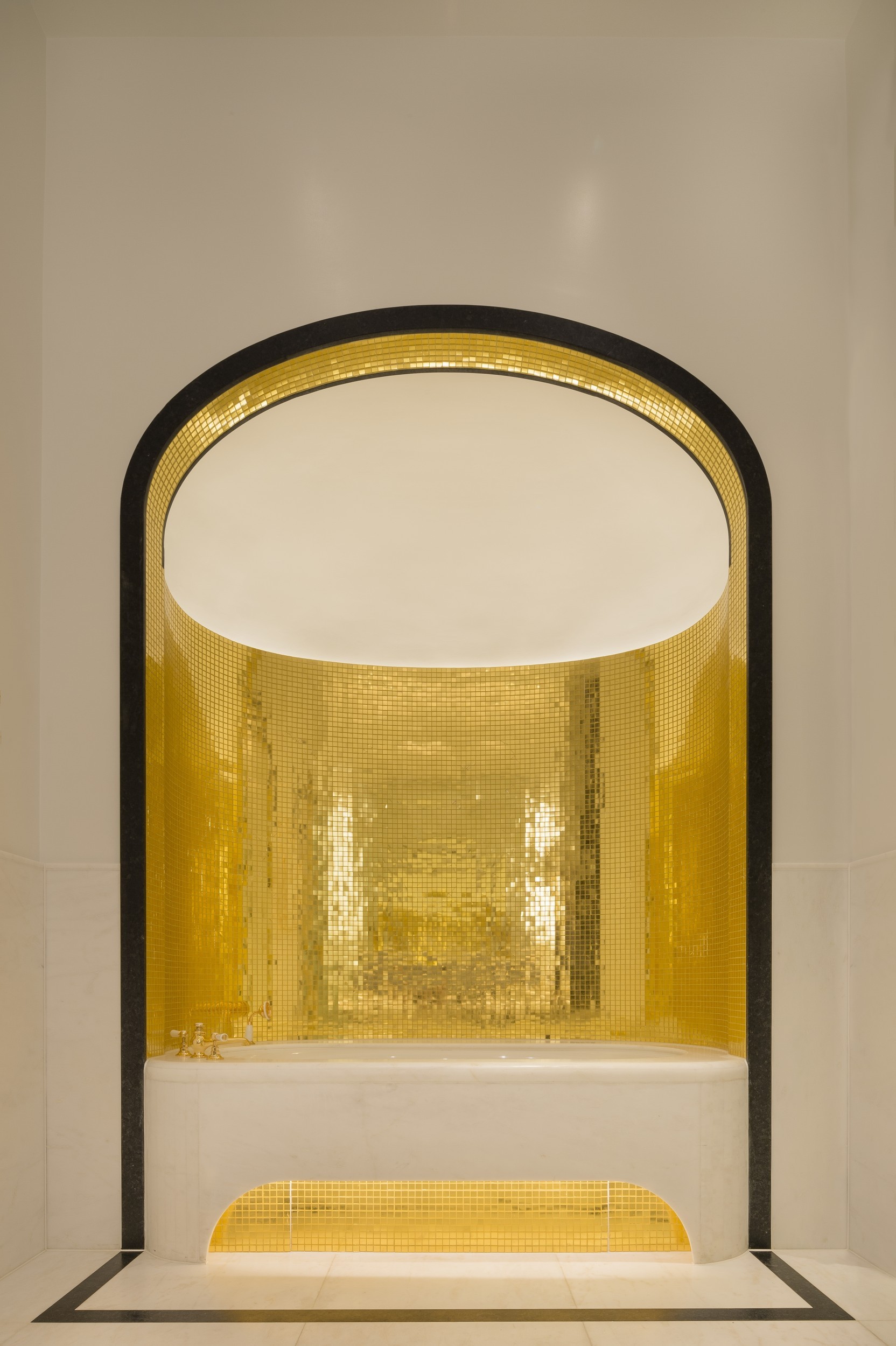
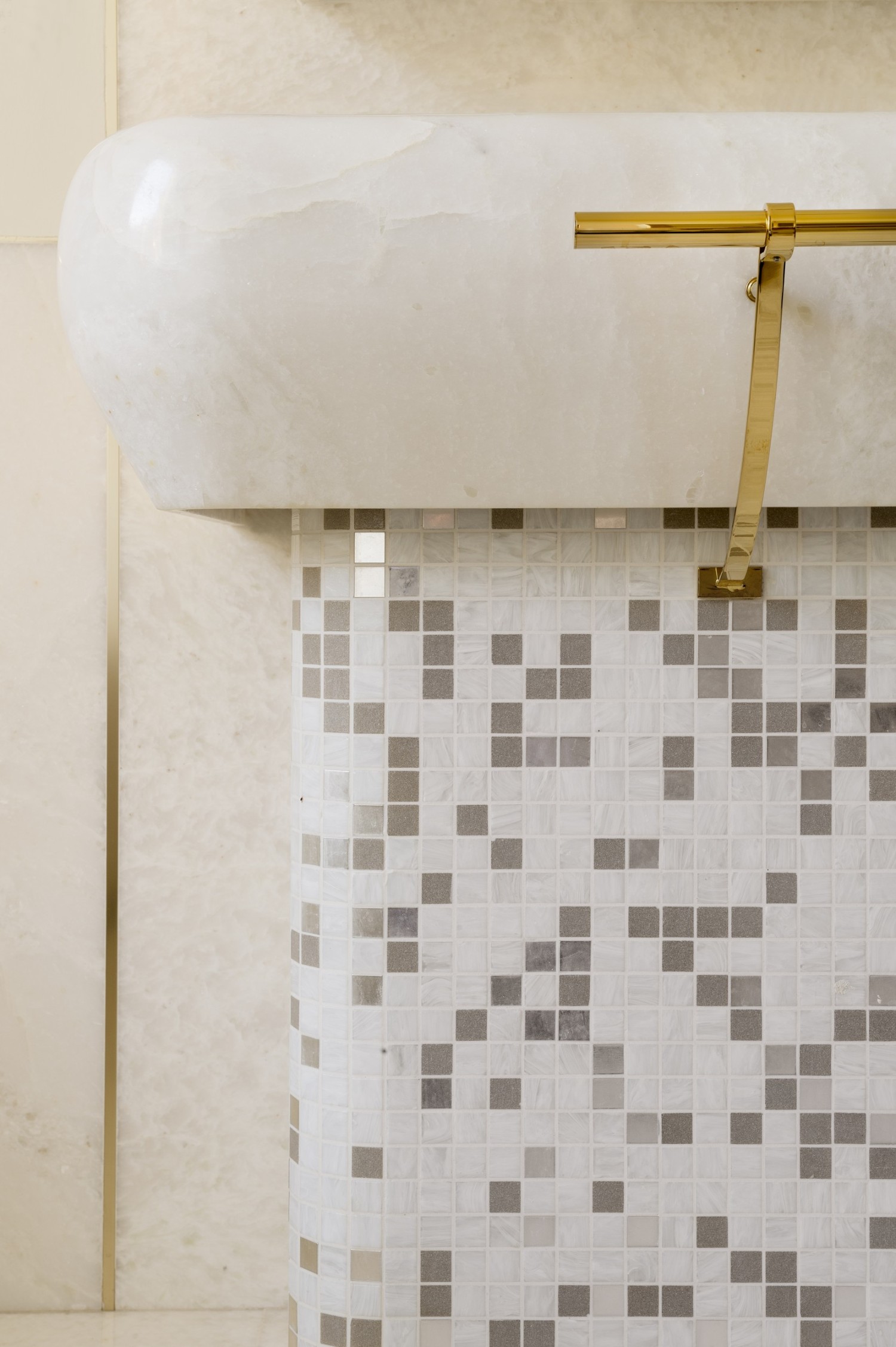
Mosaic details, Four Seasons Hotel At Ten Trinity Square, London, United Kingdom, 2017 • © Jacques Pépion
At Moinard Bétaille, mosaic is never just a covering. It is a faithful ally, a partner, a tool for expression in its own right, capable of connecting spaces, guiding paths and inscribing a project in a sensitive continuity.
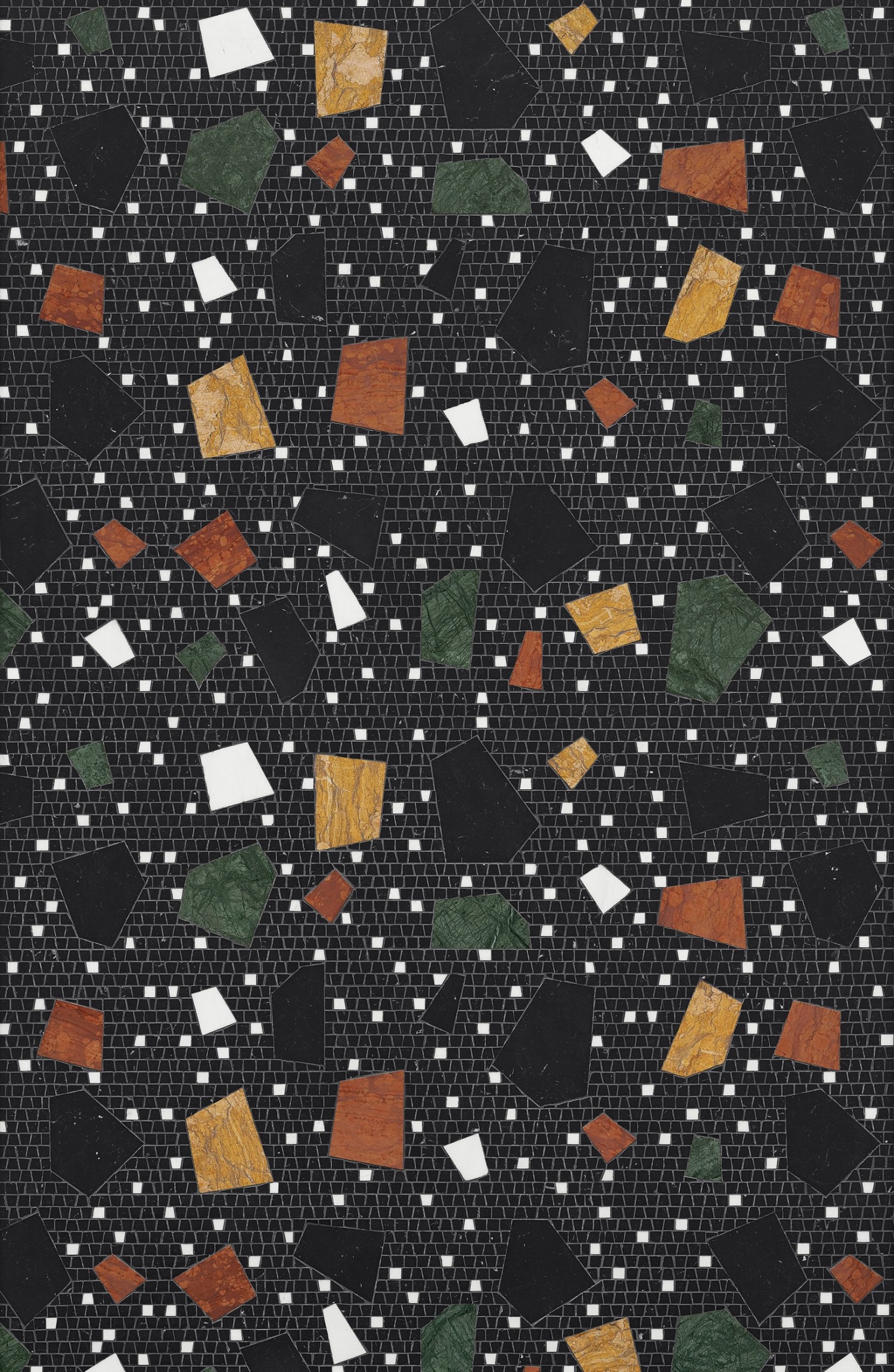
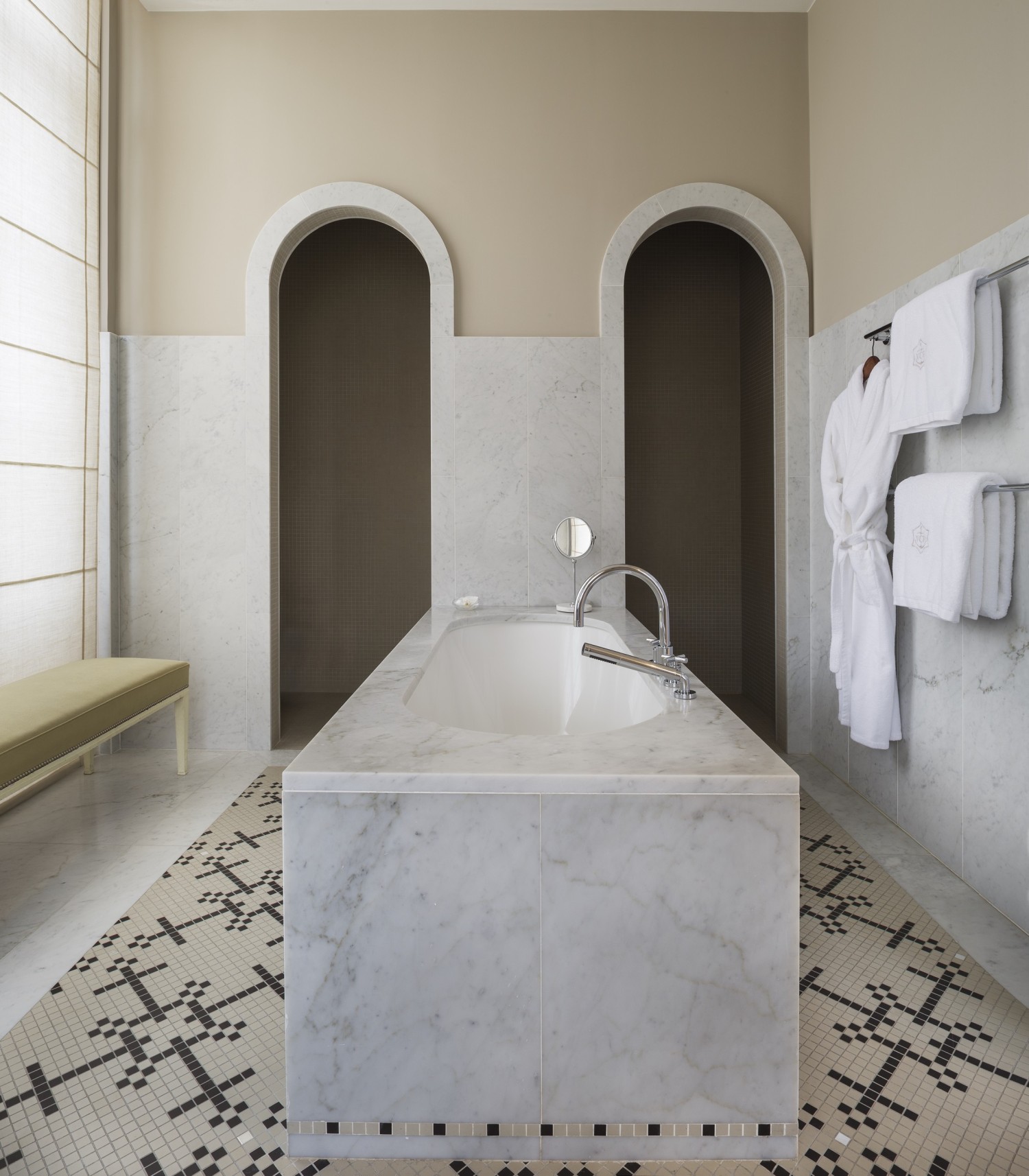
Sometimes a thin, almost imperceptible thread, sometimes a bold, covering surface, it serves architecture without ever dominating it. It emphasises, connects, punctuates and creates a focus. A hyphen running along walls and floors, dotted lightly like musical notes on a stave, it gives the space a unique vibration. Chosen for its timelessness, mosaic allows the agency to inscribe the contemporary into a long history. Through the precision of the tesserae, the richness of the materials — marble, glass paste, enamel — and the accuracy of the colours, it becomes a discreet but structuring language, capable of creating a dialogue between heritage and modernity. At the Plaza Athénée, mosaic is already present in the history of the place: the agency extends and develops it.
It makes it a real theme running through the project. In the lobby as well as in the rooms, it contributes to the construction of an overall narrative, deeply rooted in the identity of the palace. Inspired by the courtyard and its emblematic red geranium, the mosaic becomes the vehicle for a plant theme that runs throughout the hotel. It accompanies visitors from the public spaces to the privacy of the rooms. In the bathrooms, against a backdrop of white marble with delicate veining, foliage motifs unfold in mosaic shape, their colours varying according to the chromatic ambience of each room. Sunny yellow, Plaza red, purple violet, powder pink, silver gold or pearl grey: each palette creates a subtle echo between the bedroom and bathroom. The mosaic is not an addition to the decor; it is its logical conclusion. In the world of wine, mosaic takes on a different role. More allusive, more technical, it embodies the rituality of the place and the long process of transforming grapes into wine.
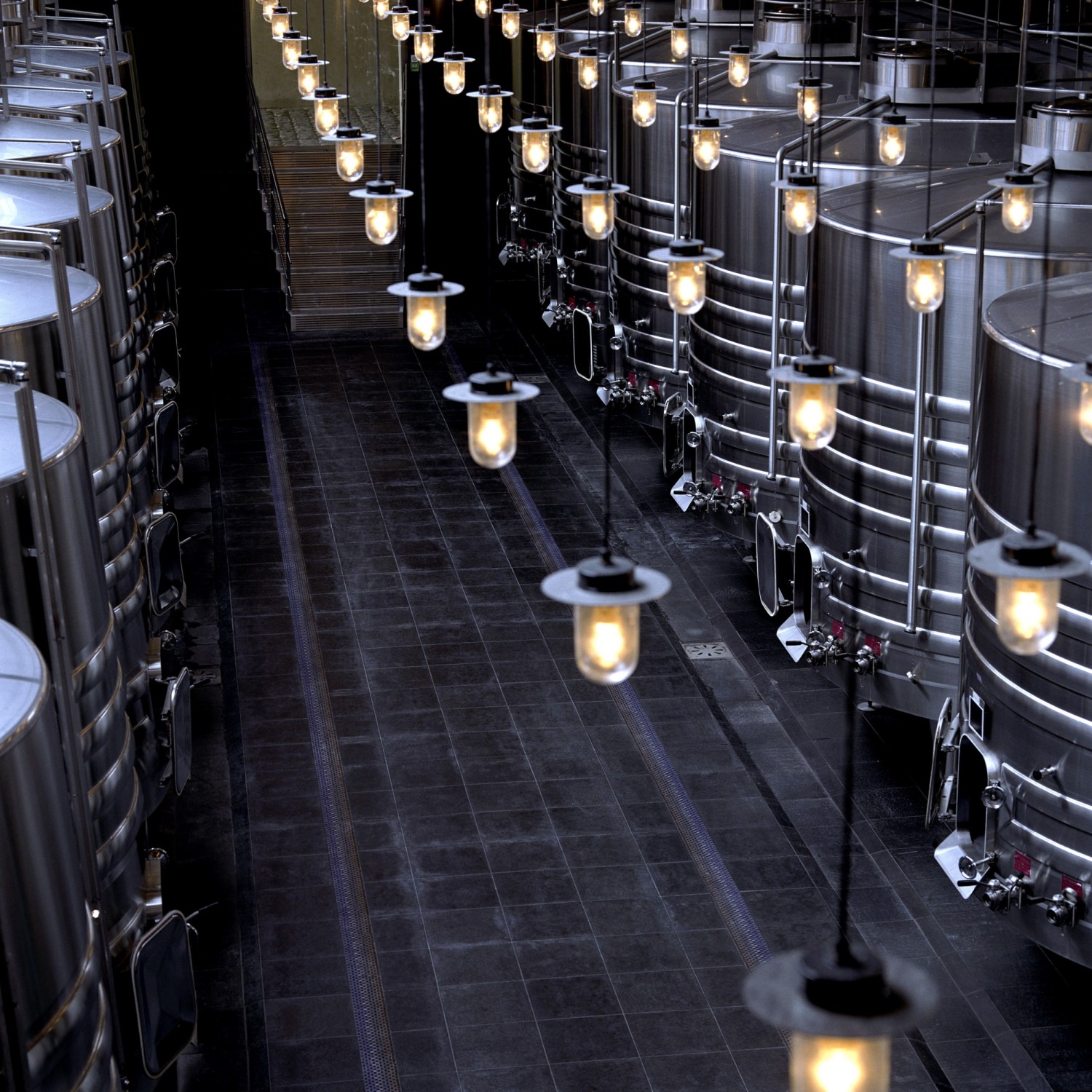
At Château Latour, the first wine estate for which Moinard Bétaille used mosaic, it became a chromatic marker. The colours of the grape varieties and the tones of the juice at different stages of maturation are translated into precise compositions, integrated into the architecture without ever disrupting it. Here, mosaic acts as a discreet memory of the process, a sensitive interpretation of the wine in the making. At Clos de Tart, founded in the 12th century, mosaic is used with great restraint in an almost immutable site. On the floor of the vat room, a frieze of deep-toned glass paste evoking grape juice escorts the journey and delimits the spaces. This colourful, translucent line guides the eye and the steps in the controlled darkness of the cellars.
Photos: Mosaic details, Four Seasons Hotel At Ten Trinity Square, London, United Kingdom, 2017 • © Jacques Pépion • Château Latour, Pauillac, France, 2015 • © Philippe Gontier • Hôtel du Marc, Veuve Clicquot, Reims, France, 2011 • © Jacques Pépion • Bisazza Marmosaico, Cosmos Astrée, design Bruno Moinard and Claire Bé taille • © Bisazza S.p.A